Caffeine + L-Theanine: Benefits, Research & Why They Work Together
Introduction
Caffeine is arguably the world’s most widely accepted performance tool. A morning without it feels incomplete for millions of people, and the first cup of coffee often signals the start of the workday. But anyone who has ever relied on caffeine knows the trade-off. Energy can come with restless legs, a racing mind, and an afternoon crash that undermines the very focus you were chasing.
The challenge isn’t that caffeine is ineffective. It’s that most people aren’t looking for more stimulation. They’re looking for something far more valuable: the ability to stay present, think clearly, and work with intention, hour after hour, without the noise that overstimulation brings.
A growing body of research, along with centuries of cultural use, points to an ingredient that may shift the equation: L-theanine. When L-theanine is paired with caffeine, the experience of alertness often changes. The edge softens. Focus sharpens without the familiar jittery hum. It’s a combination that has drawn interest not just from people who want to optimise performance, but from anyone who simply wants to feel clearer and calmer while they work.
This article explores how caffeine and L-theanine work, what the research shows, and why the combination speaks to something deeper than just chemistry. It’s about helping people build better rituals for sustainable, calm focus, because the goal isn’t simply to stay awake. The goal is to stay clear enough to do meaningful work.

The Classic Morning Stimulant
What Caffeine Does
Caffeine is a central nervous system stimulant that works primarily by blocking adenosine receptors. Adenosine is a neurotransmitter that builds up during waking hours, promoting sleep pressure and a sense of fatigue. By blocking these receptors, caffeine reduces the feeling of tiredness and increases the release of other neurotransmitters, including dopamine and norepinephrine, which support alertness and attention.
The result is a well-documented boost in reaction time, vigilance, and subjective energy. For most people, the effect is reliable, dose-dependent, and relatively fast. That predictability is part of why caffeine is so embedded in daily routines.
The Downsides of Stimulation Alone
The problem with stimulation alone is that it’s often imprecise. Pushing the nervous system into a state of heightened arousal can activate not only the mental pathways you want (focus, attention, energy) but also others you don’t, such as anxiety, muscle tension, and restlessness. This is one reason why the second or third cup of coffee can sometimes make it harder, not easier, to do focused work.
Even when the side effects are subtle, overstimulation can chip away at the quality of attention. A slight mental buzz may feel productive in the moment, but it rarely leads to the kind of deep, sustained engagement that complex work requires. And when the caffeine wears off, the drop in energy often prompts another dose, setting up a cycle that prioritises quantity of alertness over quality of focus.

L-Theanine: A Different Kind of Support
What L-Theanine Is
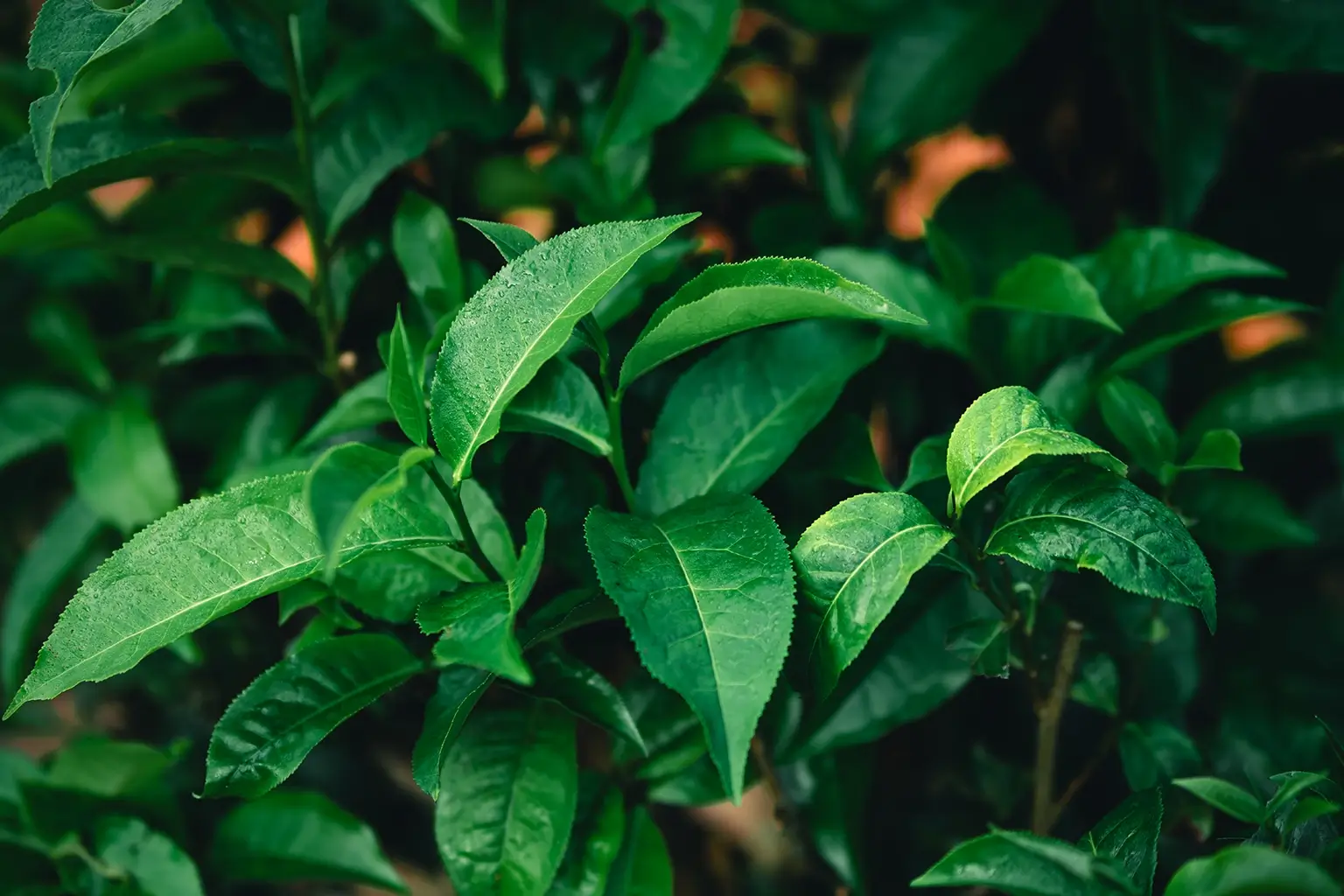
L-theanine is a non-protein amino acid found almost exclusively in tea leaves, particularly in green and black tea. It was first identified in the late 1940s and has since been studied for its effects on brain function, mood, and stress physiology.
Unlike caffeine, L-theanine doesn’t stimulate the central nervous system in a classic sense. Instead, it is believed to promote a state of relaxed alertness by influencing neurotransmitters and brain wave patterns. This quality makes it complementary rather than additive when taken alongside caffeine.
How It May Influence Brain Activity
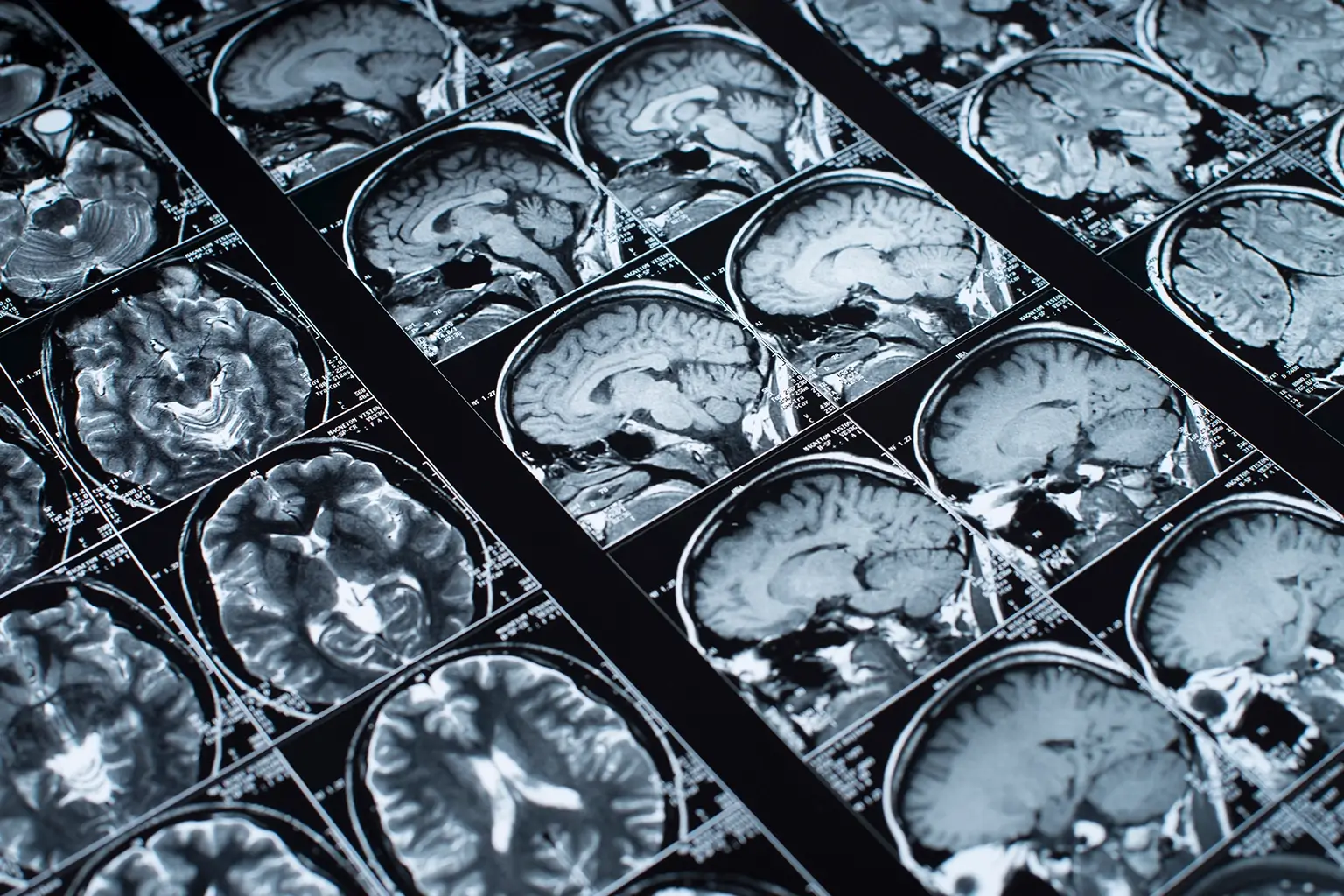
Research suggests that L-theanine crosses the blood-brain barrier and increases the production of several calming neurotransmitters, including gamma-aminobutyric acid (GABA), serotonin, and dopamine. One of the most striking effects observed in clinical studies is an increase in alpha brain waves [3] , which are associated with a state of wakeful relaxation, the kind of calm focus that meditators and experienced practitioners often describe. Our guide to L-theanine and alpha brain waves looks more closely at what that EEG research can and cannot establish.
This shift in brain activity doesn’t produce sedation. Instead, it appears to buffer the sympathetic nervous system’s stress response, potentially reducing the perception of anxiety and improving selective attention. Put simply, L-theanine may help the brain stay alert without feeling agitated. Longer-term botanical approaches to stress and recovery, such as research on ashwagandha and cortisol , sit in a different part of the same conversation.
Why the Combination Works
Caffeine provides alertness. L-theanine may help support a calmer and more balanced experience. Together, they have become one of the most studied ingredient combinations for people seeking sustained focus without excessive stimulation. The interplay addresses a common friction point in modern work life: the desire to be energetic and sharp without the mental background noise that often accompanies stimulants.
Research on Caffeine and L-Theanine Together
Several well-cited studies have examined the cognitive and subjective effects of combining caffeine with L-theanine. In a 2008 double-blind, placebo-controlled study published in Biological Psychology [1] , researchers found that the combination improved both speed and accuracy on attention-switching tasks, while also reducing susceptibility to distraction, compared to caffeine alone.
A 2010 study from Nutritional Neuroscience [2] reported that the pairing improved performance on cognitively demanding tasks and, crucially, reduced subjective feelings of tiredness and mental fatigue. Other investigations have noted that participants who took both compounds reported feeling more focused and less jittery than those who took the same dose of caffeine in isolation [4] . Separate journal coverage of Rhodiola and stress-related fatigue explores another botanical often discussed when energy is already under strain.
It’s important to note that this body of work does not suggest the combination acts as a pharmaceutical-grade cognitive enhancer. Rather, it points toward a more nuanced benefit: the ability to maintain steady attention with a lower perceived cost in terms of agitation and stress. For someone trying to write, code, read, or think deeply, that shift can be meaningful.
The Experience of Calm Alertness
Users often describe the caffeine–L-theanine state as “cleaner” energy. There’s an awareness of being awake, sometimes even quite energised, but without the pressured feeling to do something with that energy. It becomes easier to choose where attention lands and to stay there for longer stretches. This is far from the stereotype of the jittery, over-caffeinated worker who’s busy without being productive.
That subjective experience aligns with what the electrophysiological data suggests: an increase in alpha-band activity that supports relaxed, externally directed attention. Instead of pushing the brain into a high-arousal, low-control state, the combination appears to nudge it toward a more stable, resilient form of alertness, one that is often called calm focus.
A Comparison: Caffeine Alone vs. Caffeine + L-Theanine
| Aspect | Caffeine Alone | Caffeine + L-Theanine |
|---|---|---|
| Primary effect | Increased alertness and energy | Sustained attention with calm focus |
| Common subjective side effects | Jitteriness, anxiety, post-caffeine crash | Reduced jitters, smoother energy transition |
| Impact on selective focus | Can improve speed but may impair accuracy | May improve both speed and accuracy in complex tasks |
| Influence on brain waves | Little effect on alpha waves | May increase alpha wave activity |
| Stress response | Can elevate cortisol and blood pressure | May buffer some physiological stress markers |
| Best suited for | Short-term, high-arousal tasks | Long-duration, deep-focus work or creative thinking |
| Cultural context | Coffee culture, energy drinks | Tea traditions, modern nootropic formulations |
This table doesn’t imply that caffeine alone is always a poor choice. For a quick burst of energy before a workout or a short, high-stimulus task, plain caffeine may be entirely appropriate. But for knowledge workers, creatives, and anyone whose day demands lengthy periods of mental engagement, the combination offers a profile that aligns more naturally with the rhythm of focused labour.

Building Better Rituals, Not More Stimulation
Most people don’t have a wellness problem. They have a consistency problem. Small rituals practiced consistently often matter more than dramatic interventions. The same principle applies to focus. The goal isn’t to eliminate caffeine or to chase the perfect supplement stack. It’s to design daily habits (intentional, repeatable, and genuinely supportive) that help the brain do its best work without being overdriven.
Adding L-theanine to a caffeine routine is, in this sense, less about the molecules and more about the intention behind the habit. It’s a choice to prioritise clarity over intensity, to value steady presence over frantic output. Many people who make the switch find that the quality of their work improves not because they’re trying harder, but because the background noise in their mind has simply quietened down.
This is where a ritual mindset becomes useful. Instead of reaching for another coffee when energy dips, you pause. You prepare a tea, or a formulated option, with intention. You sit, take a few breaths, and let the ritual reframe the moment. The ritual itself signals to the brain that it’s time to work with care rather than urgency.

Practical Ways to Use Caffeine and L-Theanine Intentionally
Morning Rituals
For many, the morning coffee ritual is already deeply ingrained. If you enjoy the warmth and ceremony of a hot drink, green tea is a natural source of both caffeine and L-theanine. Matcha, in particular, is prized for delivering a steady, grounded alertness that many attribute to its high L-theanine content.
For those who prefer a consistent dosage, or who don’t enjoy the taste of tea, a formulated product can simplify the habit. Symvia Rise, for example, combines caffeine and L-theanine in a ratio that aligns with the research supporting calm focus, while including other supportive ingredients designed to be part of a daily morning ritual. The value here isn’t in the product itself but in the way it can anchor a brief moment of intention: a few seconds of stillness before the demands of the day begin.
Midday or Afternoon Sessions
The post-lunch energy dip is one of the most common reasons people reach for a third cup of coffee. A caffeine–L-theanine blend in the early afternoon may offer a different kind of support. Because the combination is less likely to induce a harsh crash or interfere with evening wind-down routines, it can serve as a bridge through the remaining work hours without compromising sleep quality later.
Crucially, this works best when it’s paired with a deliberate transition: stepping away from the desk, stretching, or even a short walk. The compound does its job, but the ritual surrounding the dose determines whether it feels like a quick fix or part of a sustainable rhythm.
The Role of Consistency and Intention
No single ingredient or practice will transform your focus overnight. What changes the experience of a workday is the accumulation of small, consistent choices. When you choose to pair caffeine with L-theanine, you’re not just selecting a different stimulant profile. You’re choosing to approach energy and attention with more care, which over time shapes your relationship with productivity itself.
This idea, that consistent and thoughtful habits outweigh the allure of quick fixes, is central to how Symvia approaches wellbeing. It’s not about a dramatic transformation. It’s about showing up each day with a little more clarity and a little less friction.

Conclusion
Most people aren’t looking for more stimulation. They’re looking for better focus. Caffeine can provide energy. L-theanine may help create a more balanced experience. Together they represent a growing shift toward calm, sustained attention, an approach that values quality of presence over quantity of output.
If you’re already using caffeine to stay productive, the step toward adding L-theanine isn’t a radical one. It’s simply a refinement. A quiet adjustment that can make a busy day feel less frantic and more intentional. And in a world that so often pushes us toward more, that small shift toward balance is worth taking seriously.
Frequently Asked Questions
- How much caffeine and L-theanine should I take together?
- Many studies have used a ratio of 1:2 or 1:1, for example, 100 mg of caffeine with 200 mg of L-theanine. The optimal amount may vary depending on individual sensitivity and tolerance. Starting with a lower dosage and assessing how you feel is a sensible approach.
- Can I get enough L-theanine from drinking green tea?
- A typical cup of green tea contains around 8–25 mg of L-theanine, which is lower than the amounts often studied. While regular tea drinking can contribute to a calm pattern of energy, combining it with a standardised supplement or formulated product is a more precise way to replicate the research.
- Does L-theanine make caffeine less effective?
- L-theanine doesn’t block caffeine’s alertness-promoting effects. Instead, it appears to modulate the experience, helping to smooth out the rough edges while preserving the cognitive benefits. Most people find the combined effect to be more, not less, functional.
- Is it safe to take caffeine and L-theanine every day?
- Both ingredients have strong safety profiles and are consumed daily by millions of people worldwide. As with any regular intake, however, it’s wise to cycle or take occasional breaks to maintain sensitivity and avoid tolerance build-up. If you have a pre-existing health condition, consult a healthcare professional.
- What time of day is best for this combination?
- Morning use is most common because it supports focus early in the day without the harshness sometimes associated with coffee. Some people also use it in the early afternoon to combat post-lunch fatigue. Because L-theanine may promote relaxation, it’s generally less likely to disrupt sleep than caffeine taken alone.
Sources
- Haskell, C. F., Kennedy, D. O., Milne, A. L., Wesnes, K. A., & Scholey, A. B. (2008). The effects of L-theanine, caffeine and their combination on cognition and mood. Biological Psychology, 77(2), 113–122.
- Giesbrecht, T., Rycroft, J. A., Rowson, M. J., & De Bruin, E. A. (2010). The combination of L-theanine and caffeine improves cognitive performance and increases subjective alertness. Nutritional Neuroscience, 13(6), 283–290.
- Nobre, A. C., Rao, A., & Owen, G. N. (2008). L-theanine, a natural constituent in tea, and its effect on mental state. Asia Pacific Journal of Clinical Nutrition, 17(S1), 167–168.
- Owen, G. N., Parnell, H., De Bruin, E. A., & Rycroft, J. A. (2008). The combined effects of L-theanine and caffeine on cognitive performance and mood. Nutritional Neuroscience, 11(4), 193–198.