Ashwagandha and Cortisol: Can This Ancient Herb Help Manage Stress?
Introduction
You finish work, close your laptop, and sit down to decompress. But your mind is still moving. Notifications hum in the background. A half-remembered to-do item surfaces. By the time your head reaches the pillow, your body feels tired but not calm. The transition from effort to recovery never quite completes.
For many people, this experience has become a daily pattern. The result is not just fatigue but a sense that the body’s stress-response system is running without a pause button. One of the hormones at the center of that system is cortisol.
Cortisol has become a popular topic in wellness conversations, often described in ways that make it sound like a dangerous substance the body needs to eliminate. That framing misses the full picture. Cortisol is essential. The question worth asking is not whether cortisol is bad but whether certain daily habits and ingredients can help the body maintain a healthier relationship with stress and recovery.
Ashwagandha, a botanical with roots in Ayurveda, is one of the ingredients researchers have examined in connection with cortisol and perceived stress. The short answer: several human studies suggest that standardized ashwagandha extracts may help reduce perceived stress and support healthier cortisol levels in some adults. But the evidence is still developing, and the full picture requires context. [1][2][3][4]

What Is Cortisol?
Cortisol is a steroid hormone produced by the adrenal glands, which sit above the kidneys. Its release is governed by the hypothalamic-pituitary-adrenal (HPA) axis, a communication network between the brain and the body that helps coordinate the response to both physical and psychological demands.
The hormone plays several important roles. It helps make glucose available for energy during challenging situations. It influences metabolism, blood pressure, immune function, and the sleep-wake cycle. Cortisol also follows a daily rhythm: levels are generally highest shortly after waking and decline across the day, reaching a low point during the early part of sleep. [6]
This rhythm is not a sign of dysfunction. It is part of a normal, healthy body.
During an acute stressful event, the HPA axis triggers a temporary increase in cortisol. That increase supports alertness, energy mobilization, and focus. Once the situation resolves, cortisol levels return toward baseline. This short-term response is adaptive and protective. It is not inherently harmful. [6]
Framing cortisol as a toxin or a villain misunderstands human physiology. The real concern involves what happens when the activation phase extends without sufficient recovery, a pattern associated with chronic stress. Group-level research also explores differences in stress biology across people, life stages and kinds of demand.
Why Chronic Stress Matters
When stress is persistent rather than episodic, the body’s normal recovery windows can shrink. Work pressures, emotional strain, disrupted sleep, constant digital stimulation, and insufficient downtime may all contribute to a pattern in which the stress-response system stays engaged longer than it was designed to.
Research suggests that prolonged stress may be associated with disruptions to the HPA axis and, in some cases, a flatter or altered daily cortisol rhythm. People experiencing chronic stress often report: [6]
- Difficulty relaxing even during scheduled downtime
- Poor or inconsistent sleep quality
- Irritability or a shorter fuse than usual
- Mental fatigue that does not improve with rest
- Trouble concentrating on tasks that once felt manageable
- A general sense of feeling overwhelmed
These experiences are common, but they do not prove that someone has elevated cortisol. Stress-related symptoms can be influenced by sleep, nutrition, relationships, physical health, and many other factors. No single symptom or self-assessment can replace a conversation with a qualified healthcare professional.
The relationship between stress and cortisol is complex. Chronic stress may contribute to changes in cortisol patterns in some people, but the pathways are not identical for everyone. That is why discussions about cortisol and wellness benefit from nuance rather than sweeping claims.
What Is Ashwagandha?
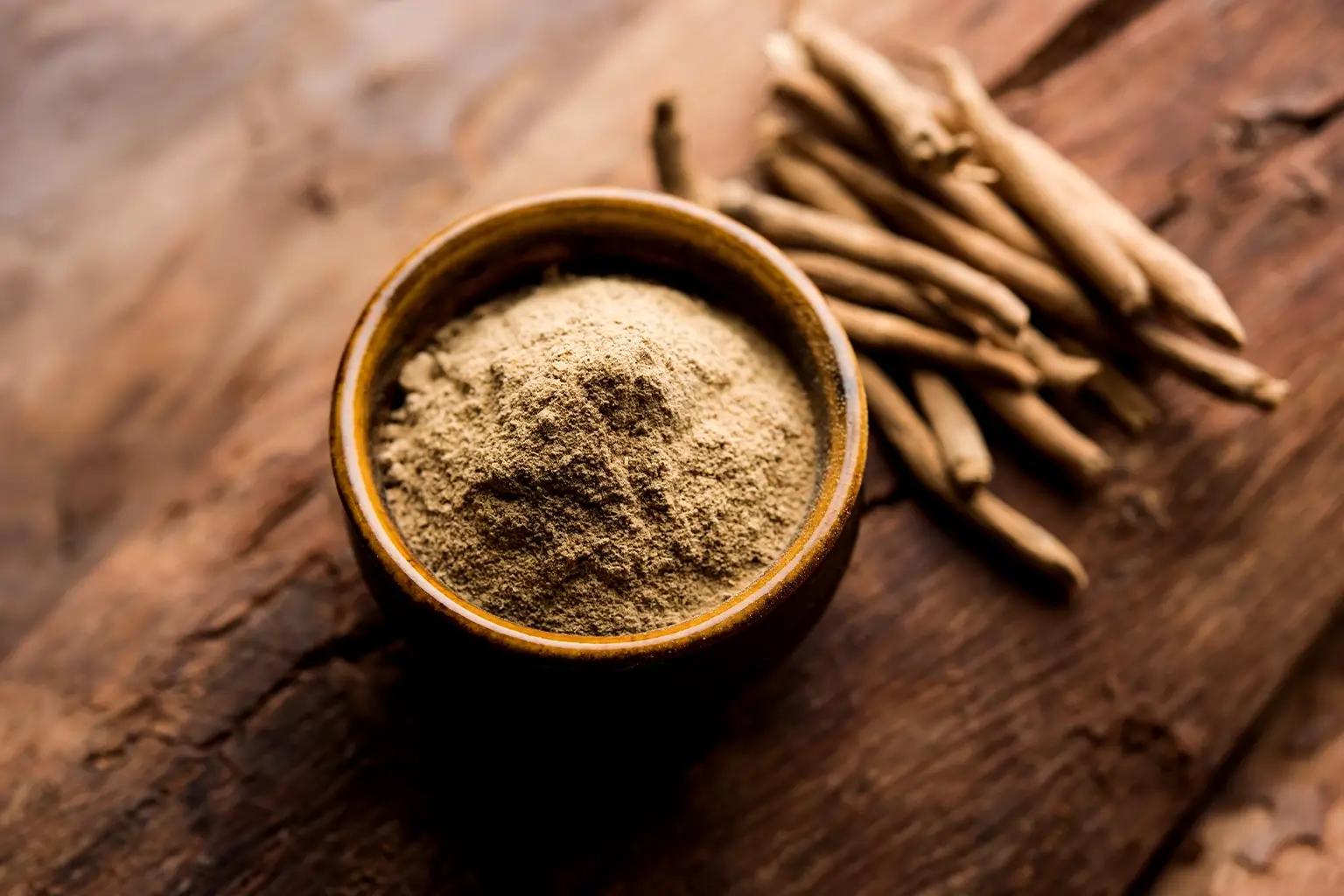
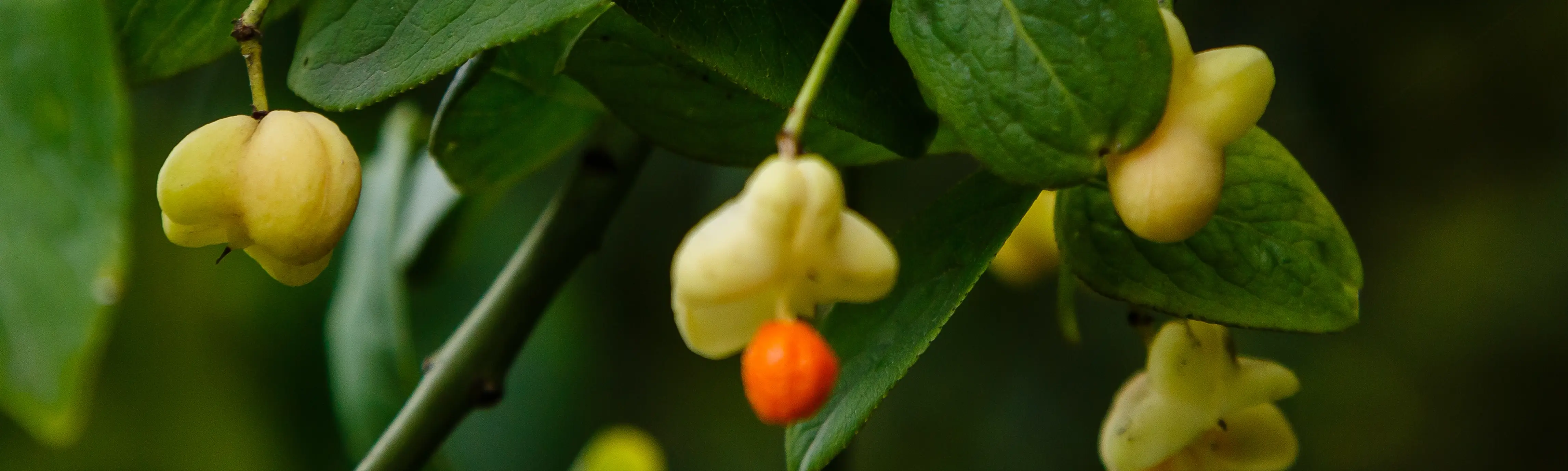
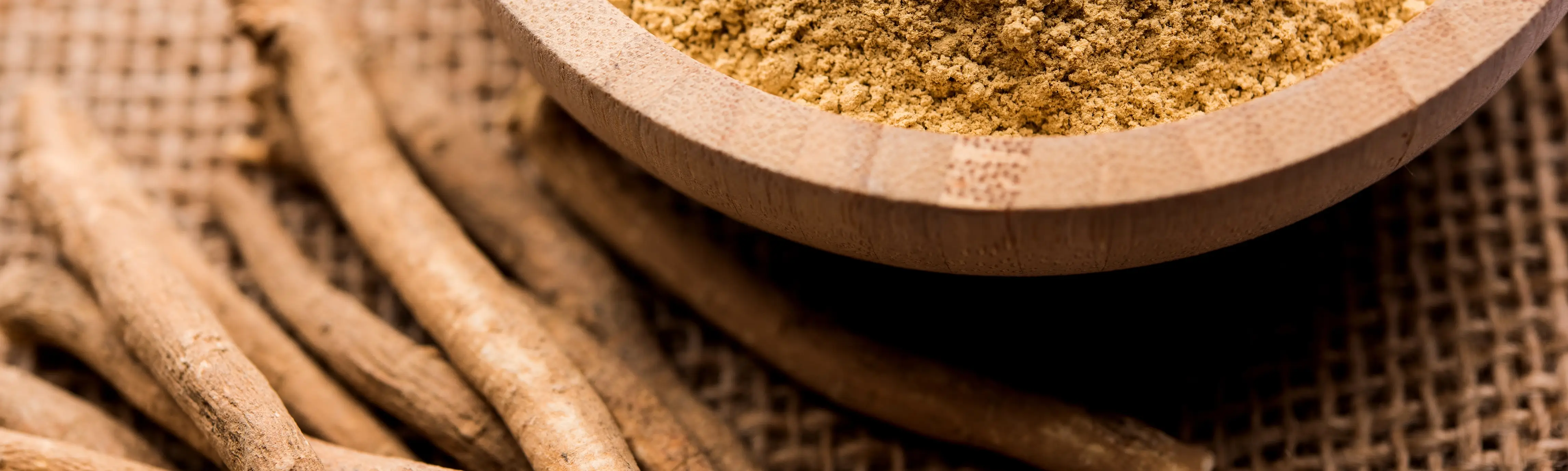
Ashwagandha (Withania somnifera) is a small shrub in the nightshade family, native to parts of India, the Middle East, and North Africa. In traditional Ayurvedic practice, it has been used for thousands of years, primarily the root, as a general tonic and rejuvenative. [7]
In modern wellness language, ashwagandha is classified as an adaptogen. The term "adaptogen" was coined in the mid-20th century to describe substances thought to help the body resist physical, chemical, or biological stressors. It is not a regulatory or medical designation, and the term itself does not prove clinical effectiveness. It describes a conceptual category: ingredients that may, in theory, support the body’s capacity to adapt to stress without overstimulating or sedating it. [7] Rhodiola as another adaptogen is often discussed in the same category, with its own history and evidence base.
The distinction between traditional use and modern clinical evidence is important. A long history of use does not automatically mean an ingredient performs a specific measurable function in the body under controlled conditions. That is why researchers have conducted randomized clinical trials to test whether ashwagandha produces effects beyond placebo.
Not all ashwagandha products are the same. Differences exist in:
- Which parts of the plant are used (root only versus root and leaf)
- Extraction methods (water-based, alcohol-based, or other solvents)
- Standardization of active compounds, particularly withanolides
- Dosage per serving
- Overall product quality and manufacturing practices
These differences can affect the results researchers observe and complicate efforts to compare one product to another.
Ashwagandha and Cortisol: What Does the Research Say?
The most informative evidence on ashwagandha and cortisol comes from randomized, double-blind, placebo-controlled trials in humans. While the total body of research is still modest compared to many pharmaceutical interventions, several studies have produced results that researchers consider encouraging.
Key Clinical Studies
In one of the most frequently cited trials, published in the Indian Journal of Psychological Medicine in 2012, researchers assigned 64 adults with a history of chronic stress to receive either 300 milligrams of a standardized ashwagandha root extract twice daily (600 milligrams total) or a placebo for 60 days. The extract used was KSM-66, a branded full-spectrum root extract standardized to at least 5 percent withanolides. At the end of the study, the ashwagandha group showed a statistically significant reduction in serum cortisol levels compared to the placebo group. Participants in the ashwagandha group also reported significantly lower scores on standardized stress-assessment questionnaires. [1]
A 2019 randomized controlled trial published in the journal Medicine examined a different standardized extract, Shoden, at a dosage of 240 milligrams daily for 60 days in 60 adults with self-reported stress. The researchers observed significant reductions in both perceived stress scores and morning cortisol levels compared to placebo. They also noted improvements in several secondary measures including sleep quality and psychological well-being. [2]
Another 2019 study published in Cureus evaluated ashwagandha root extract in 60 healthy adults with perceived stress over eight weeks. Participants receiving ashwagandha showed meaningful improvements in stress and anxiety scores compared to placebo. The researchers also measured cortisol, finding reductions in the treatment group. [3]
A 2014 systematic review published in the Journal of Alternative and Complementary Medicine examined five human trials of ashwagandha for stress and anxiety. The review concluded that the available evidence, while limited by small sample sizes and varied methodologies, indicated positive effects on stress and anxiety scores across the included studies. The authors emphasized the need for larger, longer trials to confirm the findings. [4]
What Is KSM-66 Ashwagandha?
KSM-66 is a branded, standardized ashwagandha extract made exclusively from the root of the plant. It is produced using a water-based extraction process and is standardized to contain at least 5 percent withanolides, the compounds thought to contribute to ashwagandha’s bioactive properties. [1]
Standardized extracts like KSM-66 are valuable in research because they provide a consistent reference point. When a study uses a specific extract at a known dosage, other researchers and consumers can understand what was tested. Results obtained with one standardized extract cannot automatically be applied to every ashwagandha product on the market. Different extraction methods, different parts of the plant, and different withanolide concentrations can all influence outcomes.
It is also worth noting that some ashwagandha studies have been conducted with manufacturer involvement or funding, including several of the KSM-66 trials. This does not invalidate the results, but it is a factor that informed readers may wish to consider when weighing the evidence. [1]
A Balanced Interpretation
Taken together, the human studies suggest a consistent pattern: ashwagandha, particularly in standardized root-extract form, may help some adults experience lower perceived stress and, in some cases, measurable changes in cortisol. However, the picture comes with important limitations: [1][2][3][4]
- Most studies are relatively small, with sample sizes often under 100 participants.
- Study durations are typically eight to twelve weeks, providing limited information about long-term effects.
- Different trials use different extracts, dosages, and outcome measures, making direct comparisons difficult.
- Many studies rely on self-reported stress questionnaires, which are subject to placebo effects and subjective variation.
- Industry funding is present in a meaningful portion of the published research.
- Long-term safety data beyond several months of use is limited.
These limitations do not mean the research is not useful. They mean the conversation benefits from transparency. Ashwagandha shows promise as a supportive tool for stress management in generally healthy adults. It has not been established as a treatment for any diagnosed medical condition, and the magnitude of its effects likely varies from person to person.
How Long Does Ashwagandha Take to Work?
Ashwagandha is not generally studied as an immediate or acute stress reliever. In the clinical trials discussed above, researchers measured outcomes after six to twelve weeks of consistent daily use. Some participants reported improvements earlier in the study period, but the research design was not structured to isolate the precise week when benefits began. [1][2][3][4][5]
This timeline is consistent with the concept that ashwagandha may support the body’s stress-response system gradually rather than producing a rapid, noticeable sensation. It is not comparable to a fast-acting relaxant. The studies suggest that consistency matters, and the people most likely to notice a difference are those who use it as part of a daily routine over weeks rather than sporadically.
This gradual approach aligns with a broader philosophy of sustainable stress management. The most meaningful changes in how the body handles stress tend to come from consistent habits rather than one-time interventions.
How Much Ashwagandha Was Used in Studies?
Dosages in the human trials cited in this article vary depending on the extract used. The 2012 KSM-66 study used 300 milligrams taken twice daily, totaling 600 milligrams per day. The 2019 Shoden study used a single daily dose of 240 milligrams. Other trials have tested daily doses ranging from approximately 250 milligrams to 600 milligrams of concentrated extract. [1][2][3]
It is important to understand that these dosages are not directly comparable. A 300-milligram dose of one standardized extract may deliver a different withanolide profile than a 300-milligram dose of another. Whole-root powder and concentrated extracts are not equivalent, and a larger milligram number does not automatically indicate a stronger or more effective product.
Readers should follow the instructions on any product they choose and consult a healthcare professional for individualized guidance. The dosages cited here are provided for educational context, not as recommendations.
Is Ashwagandha Safe?
Most short-term studies report that ashwagandha is generally well tolerated by healthy adults when used at the dosages tested. However, side effects can occur. Commonly reported effects in clinical trials include: [1][2][3][7]
- Mild digestive discomfort
- Nausea
- Loose stools
- Headache
- Drowsiness
These effects are usually described as mild and temporary, but they are worth noting, especially for people with sensitive digestive systems.
Several important safety considerations extend beyond the clinical trial populations:
- Pregnancy and breastfeeding: Ashwagandha is not recommended during pregnancy. There is insufficient safety data for breastfeeding.
- Thyroid conditions: Ashwagandha may influence thyroid hormone levels. People with thyroid conditions or those taking thyroid medication should consult their healthcare provider before use.
- Autoimmune conditions: Because ashwagandha may have immune-modulating properties, people with autoimmune conditions such as lupus, rheumatoid arthritis, or multiple sclerosis should seek medical guidance.
- Sedative medications: Ashwagandha may have mild sedative effects. Combining it with medications that cause drowsiness, including benzodiazepines, certain antidepressants, or alcohol, could amplify those effects.
- Blood pressure and blood sugar medications: Ashwagandha may influence blood pressure and blood sugar, so people taking related medications should exercise caution and consult their doctor.
- Surgery: Due to potential effects on the central nervous system, it is generally advised to discontinue ashwagandha at least two weeks before a scheduled surgery.
- Liver considerations: Rare cases of liver injury associated with ashwagandha-containing supplements have been reported in medical literature. These cases are uncommon but should be acknowledged transparently. Anyone with a history of liver concerns or who experiences symptoms such as jaundice, abdominal pain, or unusual fatigue while using ashwagandha should discontinue use and consult a healthcare provider.
This safety information is not exhaustive. Anyone considering ashwagandha, especially those with a medical condition, those taking prescription medication, or those planning long-term use, should speak with a qualified healthcare professional. [7][8]
Ashwagandha Is One Part of Stress Management
No single ingredient can compensate for chronic sleep deprivation, unresolved emotional stress, a sedentary lifestyle, or a lack of meaningful downtime. Ashwagandha, even when supported by encouraging research, is most useful when viewed as one tool within a broader approach to well-being.
Evidence-based stress management strategies that research consistently supports include:
- Maintaining consistent sleep and wake times
- Engaging in regular physical activity, including walking
- Spending time outdoors in natural light
- Cultivating supportive social connections
- Practicing mindfulness or structured breathing techniques
- Eating a balanced diet with adequate protein, fiber, and micronutrients
- Reducing unnecessary digital stimulation, particularly near bedtime
- Creating predictable transition rituals between work and personal time
Some people also find value in functional ingredients that support different aspects of mental clarity and calm. For example, the pairing of caffeine and L-theanine has been studied for its ability to support alertness while reducing the jitteriness that caffeine alone can produce. For readers interested in how ingredient combinations can shape the experience of focus and calm, the Symvia Journal article on caffeine and L-theanine explores that topic in detail.

The common thread across all of these approaches is consistency. Stress resilience is built through repeated, everyday choices, not through occasional interventions. Ashwagandha may play a supporting role in that daily rhythm, but it cannot replace the foundational elements of health.
Final Thoughts
Cortisol is not the enemy. It is an essential hormone that helps the body respond to challenge and maintain daily energy rhythms. The concern arises when stress is persistent and recovery is insufficient, a pattern that may influence how the body regulates cortisol and how a person experiences well-being.
The human evidence on ashwagandha suggests that this traditional botanical, particularly in the form of standardized root extracts, may help some adults feel less stressed and, in some studies, show measurable changes in cortisol levels. The findings are encouraging without being definitive. Small sample sizes, varying extracts, and limited long-term data mean the research is still developing. [1][2][3][4]
What matters most is how an ingredient fits into a larger, sustainable approach to health. Stress management is not about finding one perfect supplement. It is about building a set of consistent habits that give the body genuine opportunities to recover.
Symvia uses KSM-66 Ashwagandha as one component of its functional formulations, selected for its standardization and its presence in human clinical research. The brand’s broader approach to ingredient selection, which prioritizes research-backed components and transparent formulation, is discussed in the Symvia Journal guide to magnesium and trace minerals . As with any functional ingredient, the goal is not to promise fast fixes but to offer tools that support an ongoing commitment to balance.
If ashwagandha is part of your wellness routine, give it time. Pay attention to how you feel. And remember that the most meaningful stress-management tool you have is not a single ingredient. It is the cumulative effect of small choices repeated day after day.
Frequently Asked Questions
- Does ashwagandha lower cortisol?
- Several human clinical trials have found that standardized ashwagandha extracts were associated with reductions in serum cortisol compared to placebo. These findings are promising but come from studies with modest sample sizes. Results may vary depending on the extract, dosage, individual physiology, and duration of use. Ashwagandha should not be described as a guaranteed cortisol-lowering agent for everyone.
- How long does ashwagandha take to work for stress?
- Most clinical trials measuring stress-related outcomes have run for six to twelve weeks. Some participants may notice subjective changes earlier, but the research was not designed to identify the earliest point of effect. Consistency over weeks, rather than immediate relief, is the pattern reflected in the evidence.
- What is KSM-66 Ashwagandha?
- KSM-66 is a branded, root-only ashwagandha extract standardized to at least 5 percent withanolides. It is produced using a water-based extraction process and has been used in multiple published human clinical trials examining stress, cortisol, and related outcomes. Results from KSM-66 studies cannot be assumed to apply to all ashwagandha products on the market.
- Can you take ashwagandha every day?
- Many clinical trials have studied daily ashwagandha use for periods of eight to twelve weeks, and it is commonly used as a daily supplement. However, long-term safety data beyond several months is limited. Anyone considering daily, long-term use should consult a healthcare professional, particularly if they have a medical condition or take medication.
- When is the best time to take ashwagandha?
- There is no single universally optimal time supported by clinical evidence. Some studies administered ashwagandha in divided doses, such as morning and evening. Others used a single daily dose. Some people find it mildly energizing, while others experience relaxation or drowsiness. The best approach may depend on the individual, the specific product, and how the body responds. It is reasonable to experiment with timing while following product instructions and monitoring how you feel.
- Who should not take ashwagandha?
- Ashwagandha is not recommended during pregnancy and should be used with caution or avoided by people with certain thyroid conditions, autoimmune conditions, liver concerns, or upcoming surgery. Those taking sedative medications, blood pressure medications, blood sugar medications, or thyroid medications should consult their healthcare provider before use. This list is not exhaustive. Medical guidance is recommended for anyone with a health condition.
- Can ashwagandha replace stress medication or professional treatment?
- No. Ashwagandha is a dietary supplement, not a medication. It should not be used as a replacement for prescribed treatment, therapy, or professional medical care. Anyone experiencing persistent stress, anxiety, low mood, or sleep difficulties that interfere with daily life should speak with a qualified healthcare professional.
Sources
- Chandrasekhar K, Kapoor J, Anishetty S. A prospective, randomized double-blind, placebo-controlled study of safety and efficacy of a high-concentration full-spectrum extract of ashwagandha root in reducing stress and anxiety in adults. Indian J Psychol Med. 2012;34(3):255-262.
- Lopresti AL, Smith SJ, Malvi H, Kodgule R. An investigation into the stress-relieving and pharmacological actions of an ashwagandha (Withania somnifera) extract: A randomized, double-blind, placebo-controlled study. Medicine (Baltimore). 2019;98(37):e17186.
- Salve J, Pate S, Debnath K, Langade D. Adaptogenic and anxiolytic effects of ashwagandha root extract in healthy adults: A double-blind, randomized, placebo-controlled clinical study. Cureus. 2019;11(12):e6466.
- Pratte MA, Nanavati KB, Young V, Morley CP. An alternative treatment for anxiety: a systematic review of human trial results reported for the Ayurvedic herb ashwagandha (Withania somnifera). J Altern Complement Med. 2014;20(12):901-908.
- Langade D, Kanchi S, Salve J, Debnath K, Ambegaokar D. Efficacy and safety of ashwagandha (Withania somnifera) root extract in insomnia and anxiety: A double-blind, randomized, placebo-controlled study. Cureus. 2019;11(9):e5797.
- Thau L, Gandhi J, Sharma S. Physiology, Cortisol. In: StatPearls. Treasure Island (FL): StatPearls Publishing; 2024.
- National Center for Complementary and Integrative Health. Ashwagandha. NCCIH Health Information. Updated 2023.
- LiverTox: Clinical and Research Information on Drug-Induced Liver Injury. Ashwagandha. National Institute of Diabetes and Digestive and Kidney Diseases. Updated 2023.