Do Men and Women Respond to Stress Differently? The Biology of Cortisol and Adaptogens
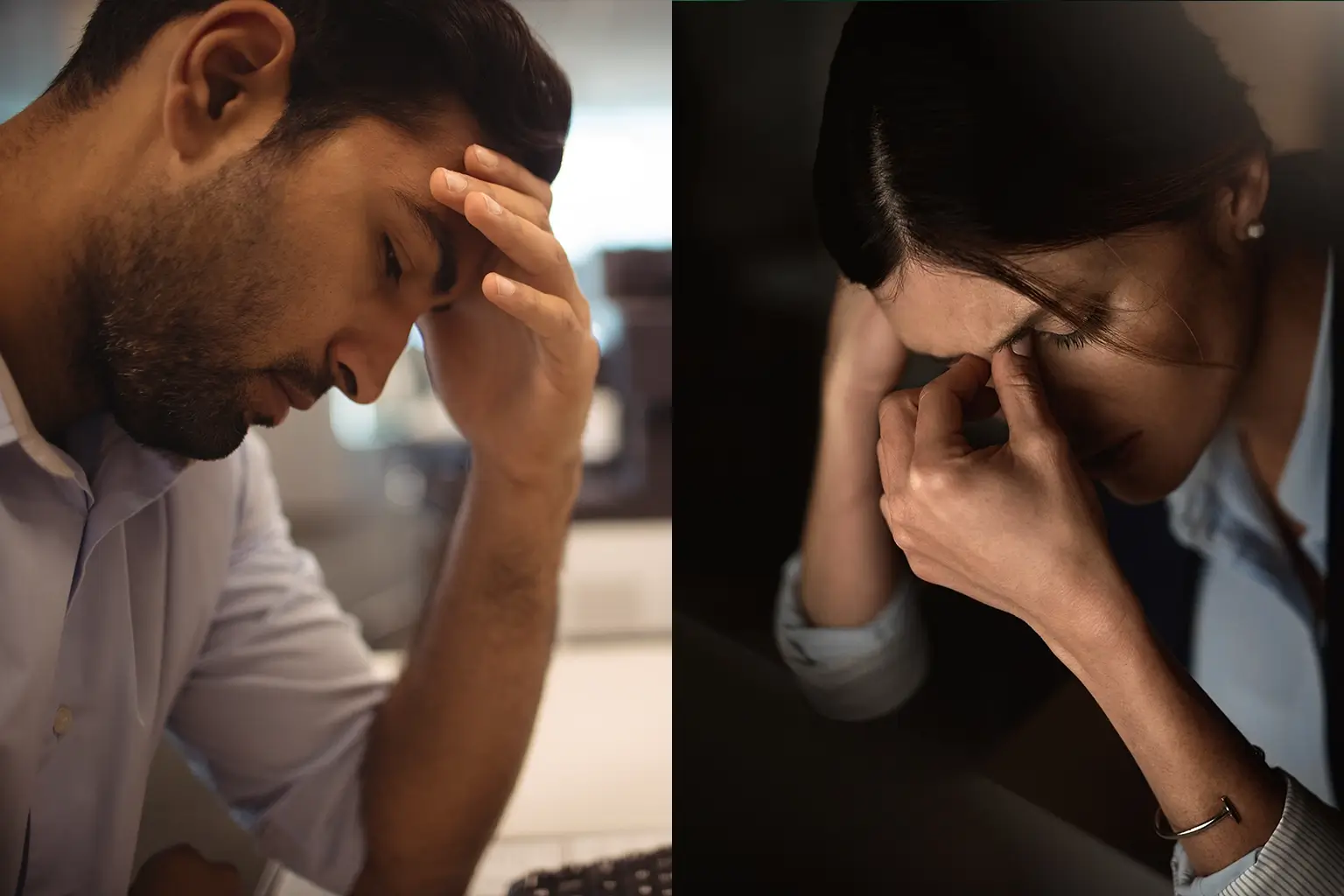
The alarm goes off. One person is awake before the second chime, already running through the day ahead. Another reaches for the same phone at the same hour and feels as if the day has arrived too quickly.
Both have meetings to make, messages waiting and a morning that will not slow down for them. Yet their bodies may tell two very different stories.
One becomes sharply alert. Their heart rate climbs and they feel ready to act. The other feels overloaded, emotionally raw or tired long after the immediate pressure has passed. Neither response is necessarily stronger or weaker. Stress does not move through every body in exactly the same way.
Biological sex can be one part of that difference. So can age, hormones, sleep, health, past experience and the kind of stress involved. The science is more interesting, and more complicated, than saying men respond one way and women another.
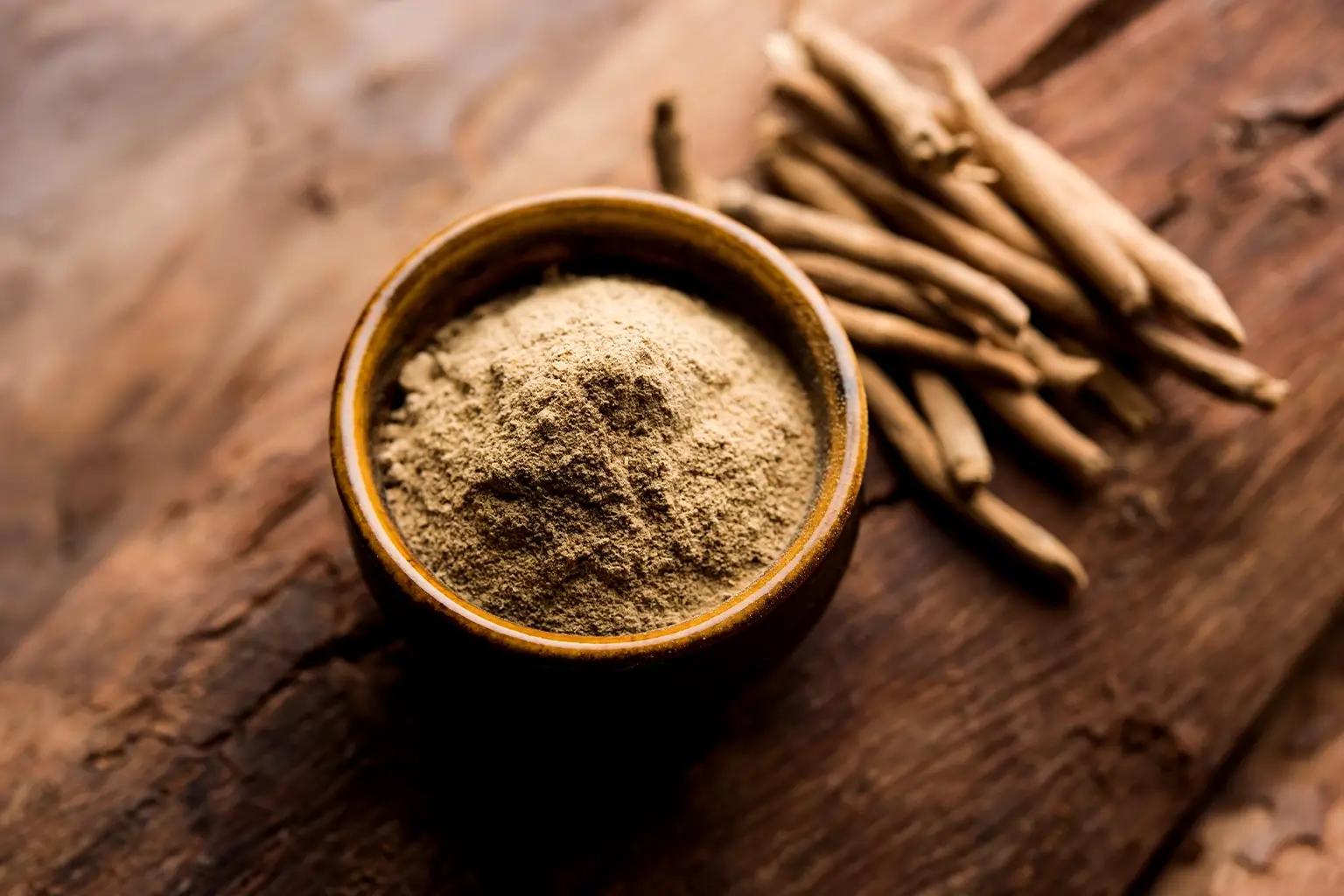
That complexity also matters when we talk about adaptogens. Botanicals such as Rhodiola rosea and ashwagandha are often described as helping the body adapt to stress. But do they work differently in men and women? The honest answer is that researchers do not yet know.

First, cortisol is not the enemy
The word cortisol has become shorthand for almost everything stress-related: poor sleep, weight gain, burnout and the feeling of being permanently "on." But cortisol is not a toxin the body needs to eliminate. It is an essential hormone.
When the brain senses a challenge, it activates a communication network known as the hypothalamic-pituitary-adrenal, or HPA, axis. That signal eventually reaches the adrenal glands, which release cortisol. In the short term, cortisol helps mobilize energy and supports functions such as blood-pressure regulation as the body responds to a demand.
Cortisol also follows a daily rhythm. Secretion begins rising before morning awakening. After waking, levels typically rise quickly for another 30 to 45 minutes before gradually declining across the day. Researchers call that post-waking rise the cortisol awakening response, or CAR.
This morning surge is not, by itself, evidence that something has gone wrong. A 2025 review in Endocrine Reviews describes it as a closely regulated part of healthy physiology that may help mobilize resources for the day ahead. The authors also note that its size can vary considerably from one day to the next. [1]
The goal, then, is not "zero cortisol." Healthy stress biology is flexible. The system activates when it is needed, then recovers when the challenge has passed.
The same system, tuned by the situation
Men and women use the same basic HPA-axis machinery. Differences can appear in how strongly that system responds under certain conditions, how long the response lasts and how it interacts with reproductive hormones.
In controlled studies using achievement-based evaluation, such as public speaking and mental arithmetic, men have often shown a larger cortisol response than women. Some studies using social-performance stressors have found greater reactivity in women. A 2022 review of animal and human research concluded that the pattern in people depends partly on the kind of stressor being used, and that the human evidence is still relatively limited. [2]
Just as importantly, a smaller cortisol response does not mean someone feels less stressed. Self-reported distress, heart rate and other parts of the stress response do not always rise and fall in step with cortisol.
Stress is not a single dial. It is an orchestra of systems, and cortisol is only one instrument.
Do women have a larger morning cortisol rise?
On average, they may. But that statement needs context.
The 2025 Endocrine Reviews paper notes evidence of a larger and more prolonged cortisol awakening response in women than in men. That is a group-level trend, not a rule that predicts what will happen in every person or on every morning.
One study from the Whitehall II cohort helps show why context matters. Women had a larger increase after waking than men on a workday, but the difference was not present on the weekend. Participants also described the workday as more stressful and less controllable. [3]
This does not mean women always have higher cortisol throughout the morning, that every woman experiences a larger spike, or that a larger awakening response equals more psychological stress. The CAR is also different from the cortisol level measured at the instant someone wakes.
A better conclusion is that sex can influence morning cortisol patterns, while sleep, health, work demands, anticipation and life stage also matter.
Hormones add another layer
Estrogen, progesterone and testosterone interact with the HPA axis. That helps explain why stress-response studies can produce different results depending on who participates, the kind of challenge researchers use and when measurements are taken.
For women, relevant factors can include:
- Menstrual-cycle phase
- Hormonal contraception
- Pregnancy and the postpartum period
- Perimenopause and menopause
- Sleep quality and caregiving demands
Men experience meaningful hormonal variation too, including changes associated with sleep, age, health and time of day. Reproductive transitions in women can add another source of variation that many older studies did not adequately track.
That is one of the field’s biggest limitations. Many studies enrolled mostly men, grouped women together without accounting for hormonal status, or included both sexes without testing whether the results differed between them. We know sex-related differences exist, but we do not yet have a clean map of what each difference means in everyday life.
Where adaptogens enter the picture
The modern term adaptogen is broad and does not have one universally accepted clinical definition. It is generally used for botanicals thought to support the body’s ability to adapt to physical or psychological stress.
That idea is better understood as supporting flexibility, not forcing the body in one direction. If healthy stress biology depends on activation followed by recovery, simply "shutting down" cortisol would miss the point.
Two of the most studied botanicals in this conversation are Rhodiola rosea and ashwagandha.
Rhodiola rosea: resilience under fatigue
Rhodiola grows in cold regions and at high altitudes across parts of Europe, Asia and North America. Its history is tied to endurance, fatigue and functioning under difficult conditions, which makes the plant’s landscape feel almost inseparable from its story.
In one randomized, double-blind, placebo-controlled trial, 60 men and women with stress-related fatigue received either a standardized Rhodiola extract or a placebo for 28 days. Compared with placebo, the Rhodiola group showed improvements in measures of fatigue and attention, along with a reduction in the cortisol response after waking. [4]
That study is encouraging, but it does not show that Rhodiola works better for women. Men and women participated, yet the trial was not designed to establish a sex-specific advantage.
The broader evidence also deserves restraint. A systematic review found mixed results across Rhodiola studies and noted that reporting problems and risk of bias made firm conclusions difficult. [5] The evidence behind Rhodiola is covered in more depth in a separate Symvia Journal article.
Rhodiola may be relevant to fatigue and stress support for both sexes. We simply do not have strong evidence that women benefit more because their average morning cortisol pattern may differ.
Ashwagandha: stress, recovery and calm
Ashwagandha comes from a different healing tradition but is often placed in the same modern adaptogen category. Human trials have examined its relationship with perceived stress, anxiety, sleep and cortisol.
In several mostly small, short-term trials, specific ashwagandha extracts were associated with lower perceived stress and anxiety and, in some studies, lower cortisol than placebo. The National Institutes of Health describes the findings as promising while emphasizing that studies have used different extracts, doses and populations. That makes it difficult to apply the result of one trial to every ashwagandha product. [6] For a closer look at ashwagandha and cortisol , see the dedicated Symvia Journal guide.
Here again, most trials were not designed to determine whether stress-related effects differ between men and women. It would be premature to assign ashwagandha a distinctly "male" or "female" role.

Why "adaptogens for men" and "adaptogens for women" miss the point
It is tempting to turn biology into two neat shelves: energizing adaptogens for men, calming adaptogens for women, or the reverse. The research does not support that approach.
A person’s immediate need may have more to do with their present state than their sex. Are they mentally fatigued, restless, slow to recover or sleeping inconsistently? Are they preparing for a demanding morning or trying to transition out of one? How do caffeine, food, movement and their existing routine shape the experience?
Those questions tell us more than a pink or blue label ever could.
Sex-informed research is still valuable. It may eventually help explain why the same ingredient, dose or timing feels different from one person to another. But sex is one part of an individual’s biology, not a complete instruction manual.
A better way to think about stress support
Instead of asking which adaptogen belongs to men or women, begin with a few more useful principles:
- Start with the experience. Fatigue, overstimulation and difficulty recovering are not the same problem, even when all three are called "stress."
- Respect daily rhythm. Morning activation is normal. Evening recovery is normal too. Supporting the rhythm is different from trying to suppress it.
- Pay attention to context. Sleep, work demands, hormonal changes, nutrition and emotional strain all shape the stress response.
- Remember that extracts differ. Findings from one standardized botanical extract cannot automatically be applied to every supplement, beverage or blend.
- Look for patterns, not a single moment. One difficult morning says very little about the overall flexibility of a person’s stress system.
Foundational nutrients such as magnesium and trace minerals sit alongside botanicals in that broader picture of daily support.
Different does not mean opposite
Male and female bodies are not running separate operating systems. They share the same fundamental stress pathways, shaped by overlapping layers of hormones, experience, environment and daily rhythm.
Research does reveal meaningful average differences. It also shows how much those differences depend on sleep, life stage, the kind of stress involved and even whether it is a workday.
Adaptogens belong in that nuanced space. They are not switches designed to make every body respond identically. Their more interesting possibility is supporting resilience: helping the body meet a demand without losing its capacity to recover.
That is a less dramatic promise than "lower your cortisol." It is also a more honest and useful way to think about balance.
Sources
- Stalder T, et al. The Cortisol Awakening Response: Regulation and Functional Significance. Endocrine Reviews. 2025.
- Handa RJ, et al. Sex Differences in Acute Neuroendocrine Responses to Stressors in Rodents and Humans. Cold Spring Harbor Perspectives in Biology. 2022.
- Kunz-Ebrecht SR, et al. Differences in Cortisol Awakening Response on Work Days and Weekends in Women and Men from the Whitehall II Cohort. Psychoneuroendocrinology. 2004.
- Olsson EMG, von Schéele B, Panossian AG. A Randomised, Double-Blind, Placebo-Controlled, Parallel-Group Study of the Standardised Extract SHR-5 of the Roots of Rhodiola rosea in the Treatment of Subjects with Stress-Related Fatigue. Planta Medica. 2009.
- Ishaque S, et al. Rhodiola rosea for Physical and Mental Fatigue: A Systematic Review. BMC Complementary and Alternative Medicine. 2012.
- National Institutes of Health, Office of Dietary Supplements. Ashwagandha: Is It Helpful for Stress, Anxiety, or Sleep? Health Professional Fact Sheet.