Rhodiola Benefits: The Story and Science of Golden Root
In a Soviet laboratory, sometime in the long shadow of the Cold War, the question was not simply how to make a person stronger. It was how to help someone remain capable when strength began to fade.
How could a pilot remain precise after too little sleep? How might a physician, factory worker or athlete preserve judgment under cold, altitude, exhaustion and relentless pressure? Soviet researchers were searching for something subtler than a conventional stimulant: a substance that might help the body meet stress without leaving it permanently revved.
Their search eventually led to a low, fleshy plant rooted in some of the coldest landscapes of the Northern Hemisphere. Rhodiola rosea grows where winter dominates the calendar, soil is thin and wind scours the ground. Cut its thick underground stem and a faint scent reminiscent of roses emerges. In Siberia it became known as "golden root." In northern Europe, it was roseroot. In Soviet science, it became one of the plants used to shape the modern idea of an adaptogen. [1][2]
But the scientists were not discovering an unknown plant. They were translating old knowledge into a new language: extracts, biomarkers, reaction-time tests and controlled trials. Communities across Russia, Scandinavia and parts of northern and central Asia had used Rhodiola in food and traditional practice long before the first laboratory measured fatigue. [1][3]
Today, Rhodiola is often described in shorthand: energy, focus, endurance, stress support. Its real story is more textured. Human research contains encouraging signals, particularly around fatigue under stress and selected measures of endurance, but studies have used different extracts and have often been small or short. The National Center for Complementary and Integrative Health therefore concludes that there is not yet enough reliable evidence to determine whether Rhodiola is useful for any health-related purpose. [4]
So what is Rhodiola? What benefits does the evidence actually support? And how did a plant from the Arctic margins become a modern symbol of resilience?
Key takeaways
- Rhodiola rosea is a cold-climate perennial traditionally used in Russia, Scandinavia and other parts of Europe and Asia.
- Research has focused on stress-related fatigue, attention under fatigue, mood and exercise performance.
- Results are promising but not definitive. Older trials often have small samples or methodological weaknesses, and different extracts are not interchangeable.
- Rosavins and salidroside are important identity and quality markers; they are not a complete explanation of the plant’s effects.
- Rhodiola has generally been well tolerated in short studies. As with any botanical, individual responses vary, and people using medication should check with a qualified healthcare professional.
What Is Rhodiola?
Rhodiola rosea L. is a perennial flowering plant in the stonecrop family, Crassulaceae, the same botanical family that includes many succulents. It produces clusters of compact stems with blue-green, water-holding leaves and small yellowish flowers. The medicinal material is below ground: the root and rhizome, a thick horizontal stem that stores energy through winter.
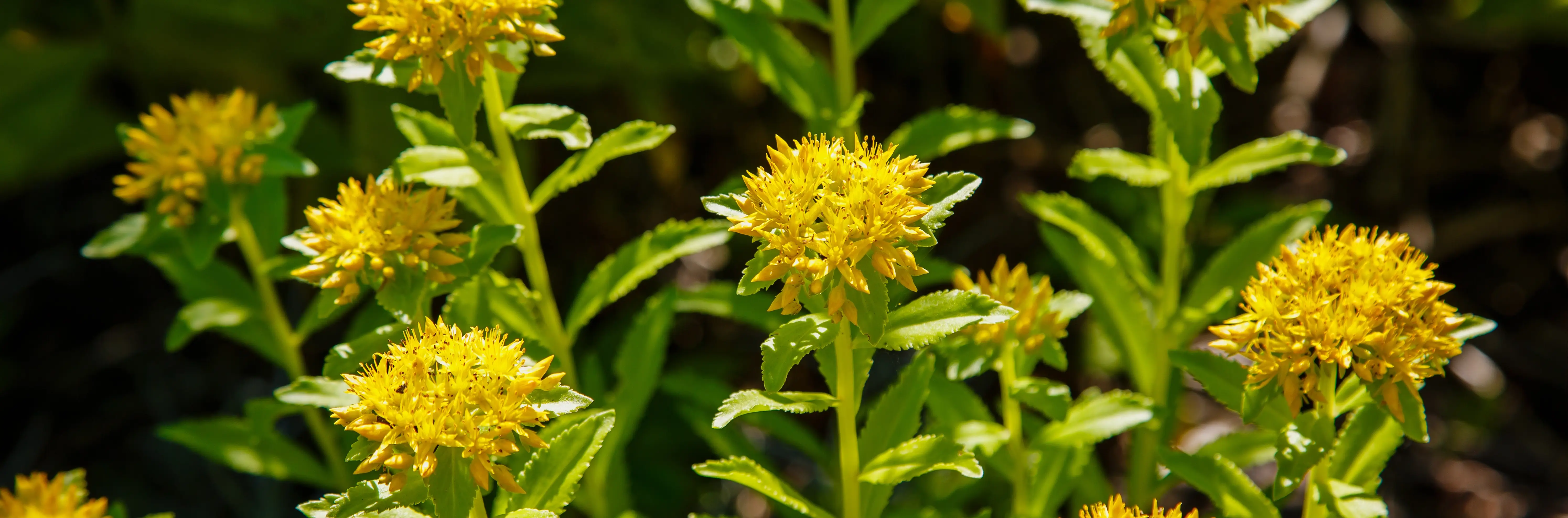
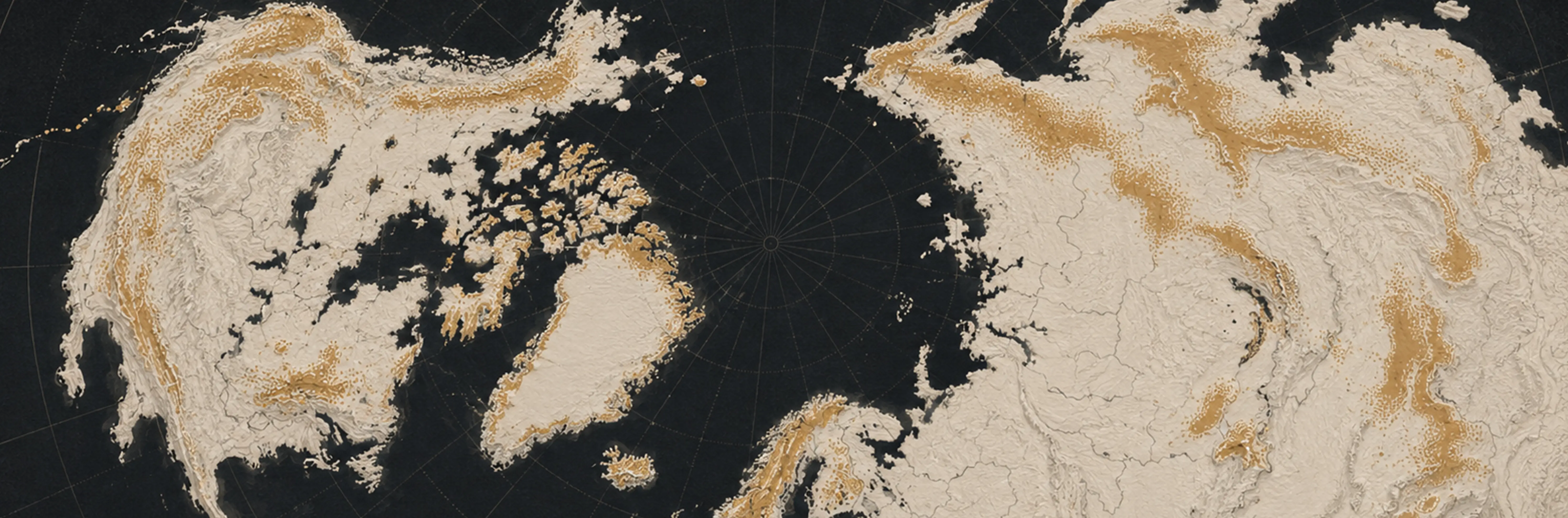
The plant has a circumpolar and alpine distribution. Populations occur in cold or high-altitude regions of Europe, Asia and North America, from Scandinavian coasts and Russian mountains to parts of the Himalayas and the North American Arctic. [1][4] It often occupies rock ledges, stream banks and exposed mountain ground where the growing season is compressed into a brief burst of light.
Picture the habitat in early summer. Snowmelt threads through dark stone. The air remains sharp even beneath a sun that barely sets. Low plants hug the earth, avoiding the full force of the wind. Rhodiola’s succulent leaves conserve water; its underground organs preserve stored resources; and its compact growth protects it from an environment that rewards patience more than speed.
This toughness is often used as a metaphor for what Rhodiola may do in humans. It is an appealing image, but a plant’s ability to survive frost does not prove that its extract improves human stress resilience. Biology does not transfer by poetry. The metaphor inspired research; it cannot replace it.
Why is it called golden root or roseroot?
"Golden root" is a translation of a Russian common name associated with the value placed on the plant. "Roseroot" is more literal. The genus name Rhodiola derives from a word for rose, reflecting the rose-like aroma released when the rhizome is cut. [1] The plant is also marketed as Arctic root, although common and branded names can obscure an essential point: products should identify the species as Rhodiola rosea, not merely "Rhodiola." The genus contains many species, and their chemistry differs. [6]
The Ancient and Traditional History of Rhodiola
Rhodiola’s history is often told as a procession of Vikings, Chinese emperors, Mongolian healers and Tibetan physicians, all supposedly pursuing the same secret root. The real record is more fragmented. Traditional use is well documented in broad regions; many colorful details are repeated from secondary sources without strong primary documentation.
What history supports
Rhodiola has a substantial history of use in Russia, Scandinavia and other parts of Europe, where preparations were associated with fatigue, work capacity, endurance, mood and adaptation to harsh conditions. [1][4] European official recognition is also old: Rhodiola appeared in early Scandinavian pharmacopoeial and botanical writing, and its use persisted in northern folk traditions. [1]
In parts of Siberia, the root acquired the status suggested by "golden root." Later ethnobotanical accounts describe it as a tonic associated with strength, stamina and longevity; some even tell of bundles of root given to newly married couples. These details belong to the plant’s cultural story, although the surviving documentation is stronger for broad regional use than for every repeated custom. [1]
Across the broader genus, Rhodiola species also became important in Tibetan, Mongolian and Chinese medical traditions, particularly in high-altitude regions. Chinese materia medica uses the name hong jing tian for several Rhodiola species; modern products may contain R. crenulata or another relative rather than R. rosea. [3][6] They share a family name, not necessarily the same chemistry or research history.
Vikings, folklore and the limits of certainty
The claim that Vikings used Rhodiola for strength and endurance appears frequently in modern summaries. It is plausible that northern peoples used a locally available edible and medicinal plant, and Scandinavian folk use is well established. Direct archaeological evidence tying Viking warriors to Rhodiola as a performance enhancer, however, is scarce. The responsible formulation is that Rhodiola has a long Scandinavian tradition, not that it was a verified Viking "secret weapon." [1]
The same caution applies to stories that Chinese emperors sent expeditions into Siberia specifically for golden root, or that Mongolian physicians used it to treat narrowly defined modern diagnoses. These stories may preserve echoes of trade and medical exchange, but their documentation is often weaker than their repetition online.
Tradition is still meaningful. It shows which plants people selected, preserved and returned to across generations. It provides hypotheses. It does not provide randomization, blinding or a placebo group.
Historical timeline
- Ancient era: Species now classified within Rhodiola appear in early Mediterranean botanical writing, although translating ancient plant names into modern species is uncertain.
- Northern folk traditions: Rhodiola is used across parts of Scandinavia and Russia as a food and tonic associated with endurance and fatigue.
- 18th century: The plant enters formal Scandinavian botanical and pharmacopoeial records.
- 1940s: Soviet researchers begin developing the concept that becomes "adaptogens."
- 1960s onward: Soviet interest in R. rosea expands, with research directed at fatigue, work performance and extreme environments.
- Late 20th and early 21st centuries: Standardized extracts enter wider European and North American research and supplement markets.
- 2024: The European Medicines Agency updates its Rhodiola assessment and monograph.
- 2025 to 2026: New research revisits endurance performance and reveals continuing variability among commercial products.
The Soviet Secret and the Birth of the Adaptogen
The Soviet Rhodiola story begins before Rhodiola itself, with a theory about stress.
During the 1940s, pharmacologist Nikolai Lazarev used the word "adaptogen" while investigating substances that might increase the body’s nonspecific resistance to harmful influences. Israel Brekhman and other researchers later refined the concept. An adaptogen was expected to help an organism resist a wide range of stressors, exert a normalizing influence and cause minimal disruption at ordinary doses. [2]
This was an audacious category. Conventional drugs are usually valued for specific actions: lowering a particular enzyme, blocking a receptor, killing a bacterium. Adaptogens were imagined as regulators of the stress response itself.
The idea fit Soviet priorities. The state had strong reasons to study human performance under extremes: military operations, polar work, mining, aviation, spaceflight and international athletic competition. Researchers screened plants used in traditional medicine, including Eleutherococcus senticosus, Schisandra and Rhodiola. [1][2]
Soldiers, athletes, cosmonauts, and a difficult archive
Popular histories say Rhodiola was supplied to soldiers, Olympic athletes and cosmonauts. Soviet interest in these populations is credible and widely described in reviews of the period. [1][2] Yet the evidence available to modern readers is incomplete. Some studies were published only in Russian, some appeared in journals with standards unlike those expected today, and some program details remain difficult to verify independently.
That matters because secrecy is seductive. The phrase "Soviet military secret" can turn an uncertain archive into marketing theater. The hidden-file narrative implies that missing evidence must have been spectacular. It could just as easily have been preliminary, inconsistent or methodologically weak.

What did emerge from Soviet and post-Soviet research was a recurring signal: standardized Rhodiola extracts appeared to reduce subjective fatigue or preserve performance when people were tired. A 2000 double-blind crossover trial studied 56 young physicians working night duty. Researchers reported improvement in a composite measure of mental performance during the first treatment period, although the crossover pattern and small sample complicate interpretation. [9]
A later randomized trial in 60 participants with stress-related fatigue found that a standardized extract improved some burnout and attention measures relative to placebo and altered the cortisol awakening response. Both groups improved on several outcomes, showing how powerful expectation, time and nonspecific care can be in stress studies. [10]
These trials help explain Rhodiola’s enduring reputation. They do not establish that it keeps anyone "mission ready," and they cannot retroactively validate every Soviet claim.
Is "adaptogen" a scientific term?
Adaptogen is a useful research framework and a widely used herbal-medicine term, but it is not a diagnosis or a single proven mechanism. The European Medicines Agency has discussed the concept while also noting that it is not sufficiently established to stand as a conventional pharmacological claim. In its updated monograph, the agency recognizes a specific Rhodiola preparation on the basis of traditional use for the temporary relief of stress symptoms such as fatigue and weakness, not as a treatment with established clinical efficacy for a disease. [5]
That distinction is easy to miss and essential to keep.
What Makes Rhodiola Different?
A root is not a single molecule. Analyses have identified roughly 140 compounds in R. rosea roots and rhizomes, including phenylpropanoids, phenylethanoids, flavonoids, proanthocyanidins, monoterpenes and phenolic acids. [1]
Two groups dominate modern labels.
Rosavins
"Rosavins" usually refers collectively to rosavin, rosarin and rosin, cinnamyl alcohol glycosides characteristic of R. rosea. Rosavin is often presented as the plant’s star constituent, but scientists use these compounds partly as identity and standardization markers. A marker helps confirm what is in an extract and keep batches consistent; it is not necessarily the one compound responsible for every observed effect.
Salidroside
Salidroside, also called rhodioloside, is a phenylethanoid glycoside found in R. rosea and several related species. Laboratory and animal studies have associated it with effects on cellular stress signaling, oxidative balance, inflammation and nervous-system pathways. Those mechanisms are biologically interesting, but doses and conditions used in cells or animals cannot be assumed to produce the same outcomes in humans. [11]
Polyphenols and the entourage of a root
Rhodiola also contains flavonoids, phenolic acids and other compounds capable of participating in redox chemistry. Calling them "antioxidants" is accurate in a chemical sense but incomplete in a physiological one. The body does not simply absorb plant antioxidants and deploy them like microscopic shields. Compounds are metabolized, transformed by the gut and liver, and may influence signaling pathways at concentrations very different from those used in a test tube.
What standardization actually means
If an extract is standardized to 3% rosavins and 1% salidroside, each 100 milligrams is intended to provide approximately 3 milligrams of total rosavins and 1 milligram of salidroside. This frequently used 3:1 marker ratio reflects established preparations and the natural pattern associated with R. rosea; it is not a universal "clinically proven ratio" for every purpose.
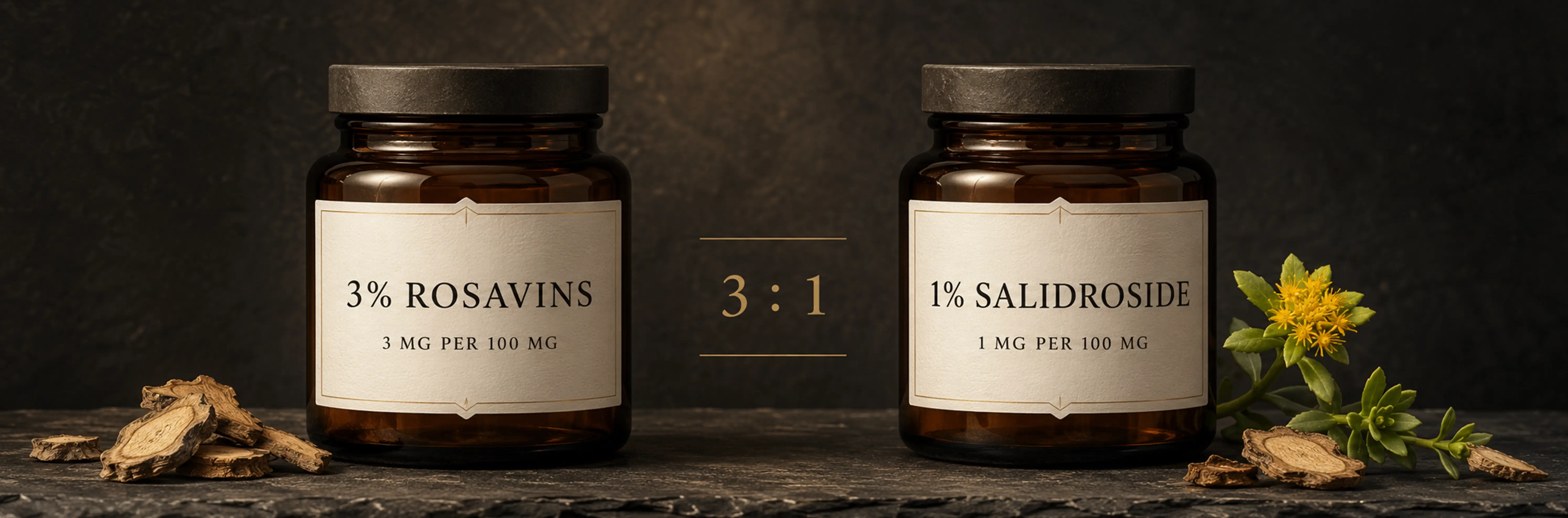
Extraction also matters. Water, ethanol concentration, temperature and the amount of raw root used can change the chemical profile. An extract tested in a clinical trial is evidence for that preparation, or a genuinely comparable one, not for any capsule bearing the species name.
This is where Rhodiola research becomes difficult. Studies have used SHR-5, WS 1375, powders, combinations and extracts with different marker levels. Milligrams alone do not make them equivalent.
What Scientists Are Trying to Understand
Once Rhodiola reached the laboratory, researchers began asking a modern version of the old northern question: what might a root associated with stamina be doing inside the body?
There is no single proven answer. Stress is not one switch, and fatigue is not simply an empty fuel tank. Both involve the brain, muscles, sleep, hormones, motivation and the way the body manages energy. Rhodiola research touches several of those systems, but much of the mechanistic work still comes from cells and animals rather than people.
The body’s stress rhythm
One area of interest is the HPA axis, the relay connecting the brain and adrenal glands during a challenge. It helps coordinate cortisol, a hormone that mobilizes energy and keeps us responsive. Cortisol is not inherently bad; the goal of a healthy stress response is flexibility, not permanent suppression. That framing also appears in research on differences in the human stress response across people and contexts.
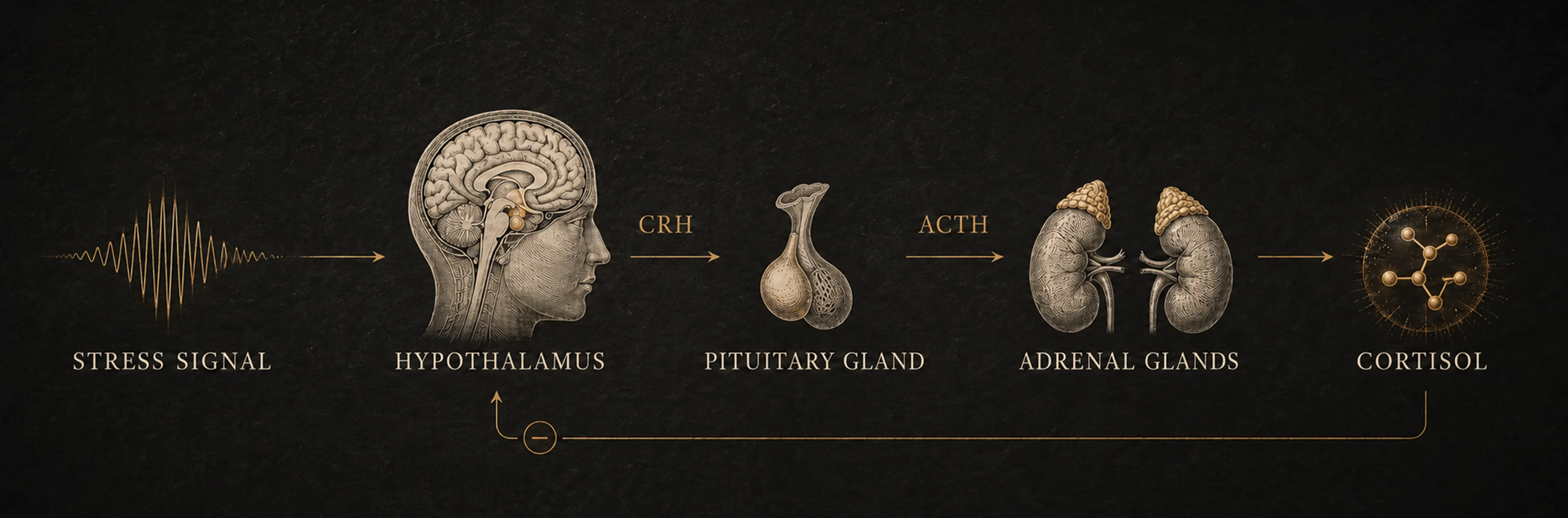
In a small 2009 trial involving people with stress-related fatigue, a standardized Rhodiola extract changed the cortisol response after waking relative to placebo. [10] That finding helped shape the idea that Rhodiola may influence how the body responds to a demanding period. It does not mean the plant simply "lowers cortisol" for everyone.
For more on that system, see the Symvia Journal article on Ashwagandha and Cortisol.
Energy when the day gets long
Laboratory research has also explored cellular energy, oxidative balance and stress signaling. Exercise studies have measured outcomes such as perceived exertion, oxygen use and time to exhaustion. A 2025 meta-analysis found small improvements across several endurance measures, although the studies used varied preparations and protocols. [7]
The most grounded interpretation is functional rather than biochemical: Rhodiola may help support aspects of perceived energy, attention or endurance when a person is already under strain. It is not a predictable neurotransmitter "booster," and the science does not suggest that it turns every rested person into a sharper or faster version of themselves.
Readers interested in calm attention may also explore caffeine and L-theanine for calm focus , while the Symvia Journal article on magnesium and trace minerals looks at the nutritional foundations that support ordinary energy metabolism. Another botanical often discussed alongside Rhodiola is ashwagandha; ashwagandha’s relationship with cortisol is covered in a separate guide.
Where the Human Evidence Is Most Interesting
The laboratory can suggest a mechanism, but people are where the story becomes useful. Rhodiola has been given to night-shift physicians, people navigating prolonged stress and athletes approaching the edge of exhaustion. Across those settings, a pattern appears: its most interesting signals tend to emerge when performance is already being challenged.
To keep that pattern in perspective, this guide uses a simple evidence scale:
- Moderate: Multiple human studies point in the same direction, but meaningful limitations remain.
- Limited: Some controlled human evidence exists, but results are mixed, samples are small or replication is inadequate.
- Preliminary: Evidence depends heavily on open-label studies, small pilots, combinations or preclinical research.
- Insufficient: Current evidence cannot support a practical conclusion.
No area currently earns a "strong" rating. NCCIH’s overall assessment remains that reliable evidence is insufficient for any health-related purpose. [4] Some positive studies also evaluated branded extracts or involved manufacturer-affiliated researchers, making independent replication especially valuable. [14][20]
Rhodiola for stress: limited evidence
Several studies report improvement in self-rated stress symptoms, although many were not placebo-controlled. In one 2012 study, adults with life-stress symptoms improved over four weeks while taking a standardized extract. [12] That is encouraging, but without a comparison group researchers cannot know how much came from the extract and how much came from expectation, time or changing circumstances.
The placebo-controlled fatigue trial is more informative: some burnout, attention and cortisol measures favored Rhodiola, while both groups improved on several other outcomes. [10] Together, the data support continued interest in Rhodiola as part of a stress-support routine, while stopping short of calling it a treatment.
Evidence rating: Limited.
Rhodiola for fatigue: limited and inconsistent evidence
Fatigue is where Rhodiola has its deepest modern research history. It is also where the limitations are clearest.
A 2012 systematic review found positive results in some physical- and mental-fatigue trials, but not others. The studies also carried a high or unclear risk of bias, so the reviewers described the evidence as contradictory. [13]
Individual positive trials, including the night-duty physicians and the stress-related fatigue study, suggest that Rhodiola may be most relevant when performance is challenged by stress or exhaustion. [9][10] Later open-label studies in chronic or prolonged fatigue reported improvements, but without blinded placebo controls they cannot establish causation. [14]
Rhodiola belongs in the conversation about ordinary fatigue under stress, not as a way to ignore persistent or unexplained exhaustion, which deserves medical attention.
Evidence rating: Limited.
Rhodiola for focus and mental performance: limited, context-dependent evidence
Rhodiola is not well established as a general nootropic. Its more plausible niche is mental performance under fatigue.
Small trials have reported improvements in composite cognitive measures, concentration or attention during night work and stress-related fatigue. [9][10] But tasks and outcome measures vary, and positive results have not been replicated across a large, independent evidence base. If someone feels less fatigued, attention may improve indirectly; that does not necessarily mean the herb directly enhances memory or intelligence.
The distinction matters for search terms such as "Rhodiola for focus." Current evidence is more consistent with possible preservation of attention under strain than with a universal cognitive boost.
Evidence rating: Limited.
Exercise endurance and recovery: limited but emerging evidence
Exercise research has produced mixed individual results. Some trials found improved time to exhaustion or lower perceived exertion; others found little effect on performance or post-exercise inflammation. Reviews published in 2022 to 2024 described a promising but inconsistent field. [15][16]
In 2025, a meta-analysis pooled 26 randomized trials involving 668 mostly young participants. It reported small improvements in maximal oxygen uptake, time to exhaustion and time-trial performance, along with changes in several exercise-related biomarkers. [7]
It is the largest recent synthesis, but not the final word. Preparations, doses and protocols varied, and most individual outcome analyses contained relatively few studies. The pooled results are interesting; their practical importance and relevance to any particular commercial product remain uncertain. [7]
Claims about "recovery" should also be precise. A short-term change in creatine kinase is not the same as less soreness, faster tissue repair or better training adaptation.
Evidence rating: Limited but emerging for selected endurance outcomes; preliminary for recovery.
For related research on another performance-associated fungus, see the forthcoming Symvia Journal guide to Cordyceps.
Mood and depression: preliminary evidence
Rhodiola has been studied in mild to moderate depression, but it should not be presented as a replacement for evidence-based mental health care.
A small 2007 placebo-controlled trial reported reductions in depressive symptoms with standardized extract at two doses. [17] In a 2015 phase II trial comparing Rhodiola, sertraline and placebo, differences in symptom reduction were not statistically significant, although Rhodiola produced fewer adverse events than sertraline. The study was designed to estimate effect sizes, not establish equivalence. [18]
A 2020 trial added Rhodiola capsules to sertraline and reported greater improvement at the higher Rhodiola dose than sertraline plus placebo. Because all groups received sertraline and the study examined a particular capsule preparation, it does not establish Rhodiola alone as an antidepressant. [19]
This research should be understood as early exploration, not a reason to replace mental-health care or prescribed medication. Anyone with bipolar disorder or anyone taking psychiatric medication should discuss Rhodiola with their clinician; a single case report has also described mania after use at approximately three times the recommended amount. [23]
Evidence rating: Preliminary.
Burnout: preliminary evidence
Burnout is a work-related phenomenon, not a single biological disease with one supplement solution. In a 12-week study of 118 people with burnout symptoms, participants receiving 400 milligrams daily improved on multiple scales. [20] The study had no placebo control, so the improvement could reflect treatment expectations, time away from acute stressors, behavior changes or the natural course of symptoms.
Rhodiola may eventually prove useful as one component of burnout care. Current research does not support using it in place of sleep, workload changes, psychological support, medical evaluation or organizational reform.
Evidence rating: Preliminary.
Research snapshot
| Area | What researchers have observed | Main limitation | Evidence judgment |
|---|---|---|---|
| Stress | Some improvements in self-rated symptoms and selected attention or cortisol measures | Several open-label studies; small controlled trials | Limited |
| Fatigue | Positive findings in some mental-fatigue trials | Contradictory results and high or unclear bias | Limited |
| Focus | Possible benefit when people are fatigued or stressed | Few small studies; varied cognitive tests | Limited |
| Endurance | 2025 meta-analysis found small improvements in VO2max and endurance outcomes | Heterogeneous protocols and products; mostly young participants | Limited, emerging |
| Recovery | Some favorable biomarker changes | Biomarkers do not equal meaningful recovery | Preliminary |
| Mood | Small trials and combination therapy show signals | Not enough independent, large replication | Preliminary |
| Burnout | Symptoms improved during uncontrolled treatment | No placebo group | Preliminary |
Rhodiola vs. Other Adaptogens
"Adaptogen" describes a proposed pattern of stress support, not one shared chemistry. Ashwagandha is not slow Rhodiola; ginseng is not strong tulsi. Each plant carries its own compounds, traditions and research history.
Rhodiola is commonly associated with daytime resilience, fatigue under pressure and endurance. Ashwagandha is more often described as grounding, while ginseng carries a long restorative tradition. Tulsi frequently appears as a daily tea ritual, and mushrooms such as Cordyceps and Reishi enter the story from entirely different biological kingdoms. Those descriptions are broad themes, not a ranking or a promise about how any one person will feel.
This is also why thoughtful formulations sometimes combine ingredients rather than asking one botanical to carry an entire routine. The result should be judged as a complete formula, its identity, quality and intended experience, not by assuming that every study on every standalone ingredient transfers directly to the blend.
Our forthcoming Symvia Journal guide to adaptogens will examine the category, its history and the limits of the term in more depth.
Rhodiola Safety, Side Effects and Interactions
Rhodiola has generally been well tolerated in short clinical studies. NCCIH describes it as possibly safe for up to 12 weeks; reported effects include headache, dizziness, insomnia, dry mouth and changes in saliva. [4] EMA also lists occasional nervous-system, digestive and skin reactions, although their frequency is unknown. [5]
Because Rhodiola can feel activating, many people prefer it earlier in the day. Individual response matters: difficulty sleeping, unusual nervousness or digestive discomfort are signs that the product may not be a good fit.
Interaction evidence is limited rather than definitive. NCCIH notes a reported interaction with losartan, while EMA describes the clinical importance of the underlying finding as unclear and states that no clinically relevant interactions have been observed. [4][5] A clinician or pharmacist can provide personal guidance for anyone taking prescription medication, especially psychiatric, stimulant or blood-pressure medication.
Rhodiola is generally not recommended during pregnancy or breastfeeding, or for children, because adequate safety data are not available. [5] People with bipolar disorder should also seek professional guidance before use. For most healthy adults, the practical approach is simple: follow the product label, pay attention to how you feel and ask a healthcare professional when medication or a health condition makes the choice less straightforward.
This article is educational and is not medical advice.
How to Choose a Quality Rhodiola Product
Product quality is not a side issue. It is part of the evidence.
A 2016 analysis of commercial Rhodiola products found wide chemical variability and signs that some products were low in rosavins or substituted with other material. [21] A 2026 U.S. market analysis again found large ranges in rosavin and salidroside content among products, reinforcing that the name on the front of a bottle does not guarantee a consistent phytochemical profile. [8]
1. Confirm the species and plant part
Look for the full Latin name, Rhodiola rosea L., and identification of root and/or rhizome. "Rhodiola complex" or "Rhodiola spp." is not equivalent. Other Rhodiola species may be legitimate ingredients in their own traditions, but they should not borrow evidence from R. rosea without disclosure.
2. Read standardization correctly
For a standalone Rhodiola product, the label may identify an extract amount and marker levels. The familiar benchmark is approximately 3% total rosavins and 1% salidroside, but that ratio is not a magic seal. Some researched extracts use different specifications, and raw root powder naturally differs from a concentrated extract.
3. Look for an extract identity
If a company says its product reproduces the result of a particular clinical study, the ingredient should be meaningfully comparable with the extract used in that study. Species, plant part, extraction and marker profile can all matter.
4. Favor third-party testing with specifics
"Lab tested" can mean almost anything. Better disclosure identifies testing for:
- botanical identity;
- rosavins and salidroside;
- heavy metals;
- pesticides;
- microbial contamination; and
- residual solvents when relevant.
Clear quality standards and batch-level testing are more meaningful than an unqualified badge.
5. Understand proprietary blends in context
A proprietary blend allows a brand to protect the exact architecture of a formula while disclosing the blend’s total amount and its ingredients in descending order by weight. The tradeoff is that shoppers cannot compare each ingredient one-for-one with a standalone clinical study. That does not make a blend inherently good or bad; it means the finished product should be considered on its own terms, with attention to responsible formulation, label compliance, identity testing and quality controls.
6. Consider sourcing and conservation
Rising global demand has increased pressure on slow-growing wild populations. Prefer suppliers that use cultivated or responsibly managed sources and maintain botanical traceability. A supply chain dependent on poorly managed wild harvesting is not resilient wellness. [22]
Quality checklist
- Full name: Rhodiola rosea L.
- Root or rhizome identified
- Label information appropriate to the product type
- Marker specifications appropriate to the chosen extract
- Identity, potency and contaminant testing
- Lot number and expiration or best-by date
- Transparent sourcing
- No disease-treatment promises
Why Rhodiola Still Matters
Return to the mountains and the plant appears almost modest: a few fleshy stems above rock, most of its life held out of sight beneath the soil. It survives not by overpowering its environment, but by storing, conserving and responding to a narrow season of opportunity.
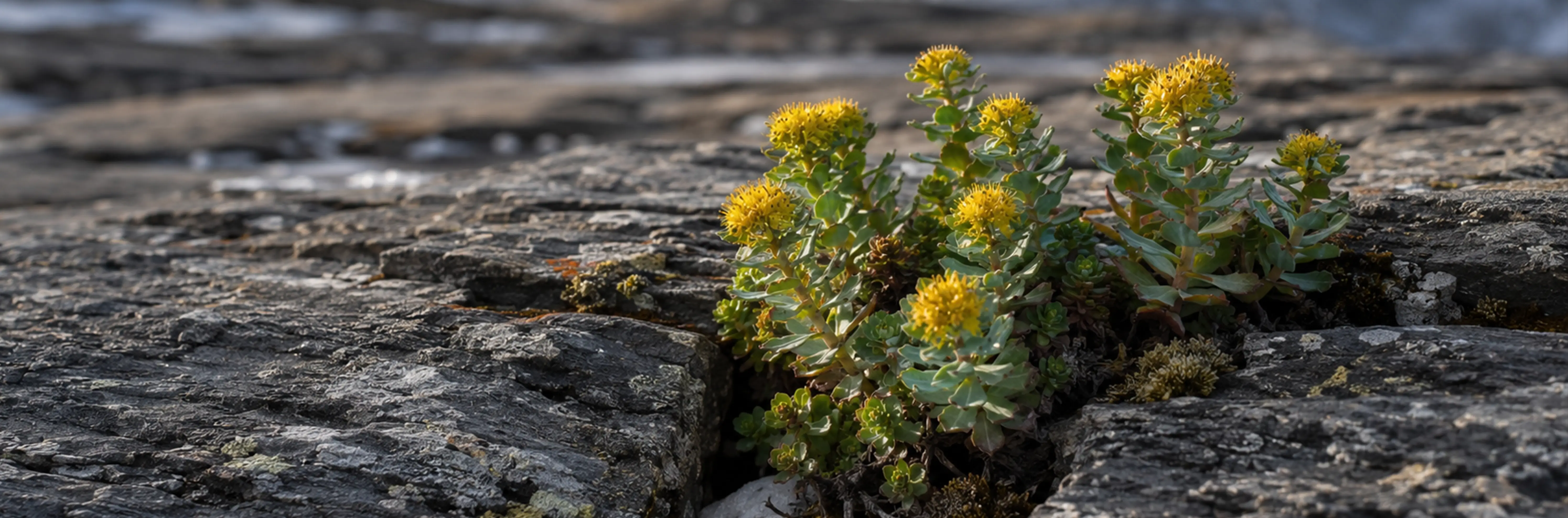
That is why Rhodiola remains such a compelling symbol for modern life. Our stressors are more likely to be notifications, deadlines, caregiving and fractured sleep than Arctic wind. Yet the question asked by Soviet researchers still feels contemporary: can human performance be supported without simply applying more stimulation?
Science has not fully answered it. Rhodiola research contains meaningful positive signals, particularly around fatigue under stress and selected endurance outcomes. It also contains contradictions, product inconsistency and too few large, independent trials. The plant deserves neither dismissal nor mythology.
Ancient traditions and modern science sometimes converge, but not because the old story automatically proves the new claim. They converge when inherited observation leads to a testable question, and when the answer survives careful measurement.
That same story helped earn Rhodiola a place in the proprietary botanical blend inside Symvia Rise, alongside guayusa, ashwagandha, American ginseng, Lion’s Mane, Cordyceps and L-theanine. The formula was created as a complete morning ritual, not as a collection of promises borrowed from individual ingredient studies. The research discussed in this guide evaluated particular Rhodiola preparations, not Symvia Rise itself, so we see it as context for the ingredient rather than proof of what the finished beverage will do.
The golden root’s most valuable lesson may be the least marketable one. Resilience is not invulnerability. It is the capacity to meet a demand, recover and remain responsive when the next season arrives.
Frequently Asked Questions
- What is Rhodiola?
- Rhodiola usually refers to Rhodiola rosea, a perennial plant that grows in cold and high-altitude regions of Europe, Asia and North America. Extracts from its root and rhizome are studied for stress-related fatigue, mental performance, mood and exercise endurance.
- What are the main Rhodiola benefits?
- The most researched potential Rhodiola benefits involve fatigue under stress, attention when fatigued and exercise endurance. Some studies also examine perceived stress, burnout and mood. Evidence is promising but not conclusive, and results cannot be generalized to every product.
- Does Rhodiola reduce stress?
- Some small studies report improvements in stress-related symptoms, especially when stress is accompanied by fatigue. The evidence is still limited, so Rhodiola is better understood as one possible part of a broader daily routine than as a treatment for stress.
- Does Rhodiola help with fatigue?
- It may support some forms of stress-related mental fatigue. Results have not been consistent across every study, and persistent or unexplained fatigue should be discussed with a healthcare professional.
- Is Rhodiola good for focus?
- Rhodiola has shown possible benefits on selected attention and mental-performance measures when participants were tired or stressed. There is not strong evidence that it broadly enhances cognition in well-rested, healthy people.
- Is Rhodiola a stimulant?
- Rhodiola is not a conventional stimulant like caffeine, but some people experience it as activating. Nervousness and insomnia have been reported, so timing and individual sensitivity matter.
- What are rosavins and salidroside?
- Rosavins and salidroside are naturally occurring compounds used as identity and quality markers in Rhodiola extracts. They may contribute to biological effects, but they do not represent the plant’s entire chemistry.
- Is 3% rosavins and 1% salidroside the best Rhodiola extract?
- It is a common specification modeled on established R. rosea extracts, but it is not universally "best." The right comparison depends on the exact product studied, its extraction method, dose, identity testing and intended use.
- When should Rhodiola be taken?
- Because it can feel activating, many people choose morning or early-day use. Follow the directions for the specific product and adjust based on individual response.
- Who should not take Rhodiola?
- Rhodiola is generally not recommended during pregnancy or breastfeeding, or for children, because safety data are inadequate. People taking prescription medication or living with bipolar disorder should consult a clinician or pharmacist first.
- Can Rhodiola be taken with antidepressants?
- Interaction data are limited, so anyone taking an antidepressant should check with the prescribing clinician or a pharmacist before adding Rhodiola.
- How long does Rhodiola take to work?
- Clinical studies have used both single doses and periods ranging from days to 12 weeks. There is no established timeline that applies to every person, purpose or product.
Sources
- Panossian A, Wikman G, Sarris J. Rosenroot (Rhodiola rosea): Traditional use, chemical composition, pharmacology and clinical efficacy. Phytomedicine. 2010;17(7):481-493.
- Panossian A, Wikman G. Effects of adaptogens on the central nervous system and the molecular mechanisms associated with their stress-protective activity. Pharmaceuticals. 2010;3(1):188-224.
- Pu WL, Zhang MY, Bai RY, et al. Anti-inflammatory effects of Rhodiola rosea L.: A review. Biomedicine & Pharmacotherapy. 2020;121:109552.
- National Center for Complementary and Integrative Health. Rhodiola: Usefulness and safety. Retrieved July 21, 2026.
- European Medicines Agency, Committee on Herbal Medicinal Products. Final assessment report on Rhodiola rosea L., rhizoma et radix (Revision 1) (EMA/HMPC/24186/2023). 2024.
- Booker A, Zhai L, Gkouva C, Li S, Heinrich M. From traditional resource to global commodities: A comparison of Rhodiola species using NMR spectroscopy, metabolomics and HPTLC. Frontiers in Pharmacology. 2016;7:254.
- Wang X, Yang X, Gao Z, Zeng J, Liu Y. The effect of Rhodiola rosea supplementation on endurance performance and related biomarkers: A systematic review and meta-analysis. Frontiers in Nutrition. 2025;12:1645346.
- Porwollik S, Jafari M. The quality and safety of Rhodiola rosea supplements on the U.S. market: An analysis of biomarkers, heavy metals, and pesticide residues. PLOS ONE. 2026;21(1):e0341070.
- Darbinyan V, Kteyan A, Panossian A, Gabrielian E, Wikman G, Wagner H. Rhodiola rosea in stress induced fatigue: A double blind cross-over study of a standardized extract SHR-5 with a repeated low-dose regimen on the mental performance of healthy physicians during night duty. Phytomedicine. 2000;7(5):365-371.
- Olsson EMG, von Schéele B, Panossian AG. A randomised, double-blind, placebo-controlled, parallel-group study of the standardised extract SHR-5 of the roots of Rhodiola rosea in the treatment of subjects with stress-related fatigue. Planta Medica. 2009;75(2):105-112.
- Li Y, Pham V, Bui M, et al. Rhodiola rosea L.: An herb with anti-stress, anti-aging, and immunostimulating properties for cancer chemoprevention. Current Pharmacology Reports. 2017;3(6):384-395.
- Edwards D, Heufelder A, Zimmermann A. Therapeutic effects and safety of Rhodiola rosea extract WS 1375 in subjects with life-stress symptoms: Results of an open-label study. Phytotherapy Research. 2012;26(8):1220-1225.
- Ishaque S, Shamseer L, Bukutu C, Vohra S. Rhodiola rosea for physical and mental fatigue: A systematic review. BMC Complementary and Alternative Medicine. 2012;12:70.
- Lekomtseva Y, Zhukova I, Wacker A. Rhodiola rosea in subjects with prolonged or chronic fatigue symptoms: Results of an open-label clinical trial. Complementary Medicine Research. 2017;24(1):46-52.
- Lu Y, Deng B, Xu L, et al. Effects of Rhodiola rosea supplementation on exercise and sport: A systematic review. Frontiers in Nutrition. 2022;9:856287.
- Tinsley GM, Jagim AR, Potter GDM, Garner D, Galpin AJ. Rhodiola rosea as an adaptogen to enhance exercise performance: A review of the literature. British Journal of Nutrition. 2024;131(3):461-473.
- Darbinyan V, Aslanyan G, Amroyan E, Gabrielyan E, Malmström C, Panossian A. Clinical trial of Rhodiola rosea L. extract SHR-5 in the treatment of mild to moderate depression. Nordic Journal of Psychiatry. 2007;61(5):343-348.
- Mao JJ, Xie SX, Zee J, et al. Rhodiola rosea versus sertraline for major depressive disorder: A randomized placebo-controlled trial. Phytomedicine. 2015;22(3):394-399.
- Gao L, Wu C, Liao Y, Wang J. Antidepressants effects of Rhodiola capsule combined with sertraline for major depressive disorder: A randomized double-blind placebo-controlled clinical trial. Journal of Affective Disorders. 2020;265:99-103.
- Kasper S, Dienel A. Multicenter, open-label, exploratory clinical trial with Rhodiola rosea extract in patients suffering from burnout symptoms. Neuropsychiatric Disease and Treatment. 2017;13:889-898.
- Booker A, Jalil B, Frommenwiler D, et al. The authenticity and quality of Rhodiola rosea products. Phytomedicine. 2016;23(7):754-762.
- Brinckmann JA, Cunningham AB, Harter DEV, Running K, Brinckmann S. Running out of time to smell the roseroots: Reviewing threats and trade in wild Rhodiola rosea L. Journal of Ethnopharmacology. 2021;269:113710.
- Whig R, Leo RJ. Mania associated with Rhodiola rosea: An adaptogen with antidepressant effects. Primary Care Companion for CNS Disorders. 2022;24(2):21cr02980.